
Books Like The Land of Stories: 10 Fairy-Tale Fantasy Picks for Young Readers
By R.J. Roark, author of Amelia Moon and the Sundance Shadow (middle grade fantasy, ages 9–12). Updated September 2026.
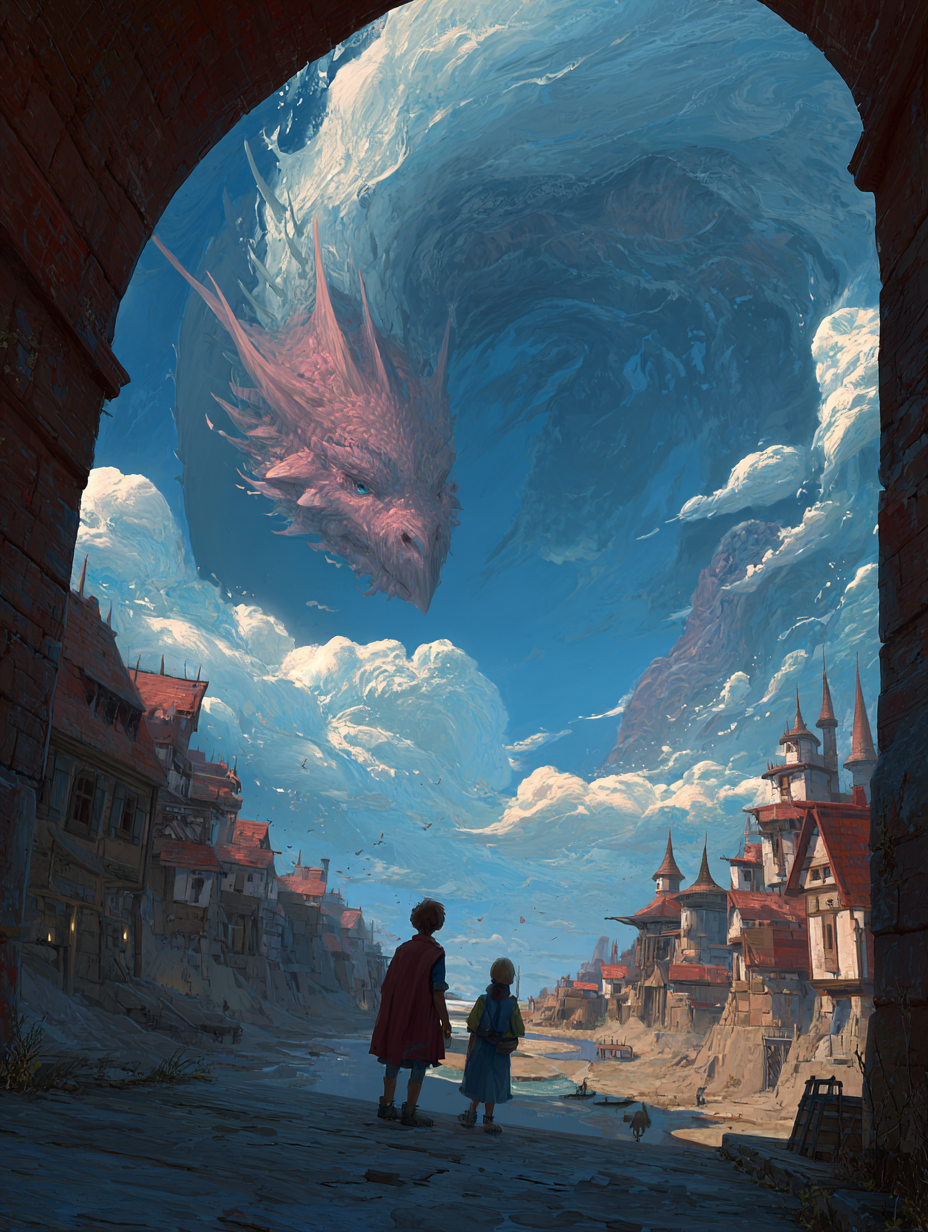
Books Like The Land of Stories for Young Readers in 2026'
The Land of Stories is complete at six books, and readers who finish Alex and Conner's story usually want one of two things next: more fairy tales turned inside out, or another doorway into a hidden world. The closest matches on the fairy-tale side are The Sisters Grimm, The School for Good and Evil, and A Tale Dark & Grimm; the best doorways are Nevermoor and Amari and the Night Brothers. The full list below runs ten books, every age band publisher-stated and checked at the source.
Where Amelia Moon Fits for Land of Stories Readers
Full disclosure: this one is mine. Here is exactly who it's for.
Readers who come to The Land of Stories for the moment ordinary kids discover the magic hiding behind their own family get the same doorway here: on her thirteenth birthday Amelia inherits a pendant and a letter from her late mother, and starts finding out what her town of Sundance, Wyoming has been keeping about the Moons.
The difference: no fairy-tale kingdom on the other side — the strangeness stays inside a real Wyoming town, where a photograph decades older than Amelia shows a stranger wearing her necklace.
Kirkus Reviews: "Sensational young heroes fuel a diverting, otherworldly tale."
Also available on Kindle
10 Books Like The Land of Stories
Amelia Moon and the Sundance Shadow by R.J. Roark (Ages 9–12) · Ages 9–12 · Book 1 of the Adventures of Amelia Moon
Full disclosure: this one is mine. Here is exactly who it's for.
Readers who come to The Land of Stories for the moment ordinary kids discover the magic hiding behind their own family get the same doorway here: on her thirteenth birthday Amelia inherits a pendant and a letter from her late mother, and starts finding out what her town of Sundance, Wyoming has been keeping about the Moons.
The necklace arrived on Amelia Moon's thirteenth birthday. So did the nightmares. All she has left of her mother is a letter, a family heirloom pendant, and questions no one in Sundance, Wyoming will answer. Then a photograph surfaces at the Historical Society, taken decades before Amelia was born — and around the neck of a woman she has never seen hangs her own necklace. With her best friend Veyla, obsessed with the world's loneliest whale and determined to leave no mystery unsolved, Amelia sets out to learn who her family really was.
Kirkus Reviews: "Sensational young heroes fuel a diverting, otherworldly tale." The Children's Book Review: "Perfect for young readers hungry for a hidden-world adventure with real-world roots."
Also available on Kindle
The Sisters Grimm by Michael Buckley (Ages 8–12)
The Sisters Grimm is the closest match to The Land of Stories on this list: fairy-tale characters — the Everafters — living secretly in the modern town of Ferryport Landing, and two orphaned sisters, descendants of the Brothers Grimm, solving mysteries among them. It runs on the same familiar-characters-with-modern-lives comedy that powers Colfer's series, with a sibling team at the center. Nine books, complete.
Best for: readers who loved spotting the classic characters in Alex and Conner's world.
The School for Good and Evil by Soman Chainani (Ages 8–12)
The School for Good and Evil is the natural next step from The Land of Stories: both take the fairy tales kids already know and turn them inside out, but Chainani plays the game harder. Best friends Sophie and Agatha are sorted into schools for fairy-tale heroes and villains — each certain the sorting got her wrong — and six books test whether destiny or choice wins.
Best for: Land of Stories readers ready for the fractured-fairy-tale formula with more edge.
A Tale Dark & Grimm by Adam Gidwitz (Ages 10 and up)
A Tale Dark & Grimm sends Hansel and Gretel walking out of their own story and through the bloodier, stranger original tales, with a narrator who keeps interrupting to warn you about what is coming. It shares the wry storyteller energy of The Land of Stories but leans into how dark the source material really is — it is now also a Netflix animated series. A complete trilogy.
Best for: readers 10 and up who found the Colfer books fun but wanted more bite.
Nevermoor: The Trials of Morrigan Crow by Jessica Townsend (Ages 8–12)
Nevermoor delivers the closest thing to the Land of Stories feeling of stepping through into somewhere better: cursed Morrigan Crow is smuggled into a hidden city of wonders by the flamboyant Jupiter North and must pass entrance trials to earn her place. It is whimsical the way Colfer is whimsical, with a darker thread running underneath.
Best for: readers chasing the wonder of first arriving in a magical world.
Aru Shah and the End of Time by Roshani Chokshi (Ages 8–12)
Aru Shah and the End of Time does for Hindu mythology what The Land of Stories does for fairy tales: drops a modern, wisecracking kid into stories that turn out to be real. Aru's lie at her mother's museum frees an ancient demon, and the quest that follows is funny, fast, and complete at five books.
Best for: readers who want the stories-are-real premise with mythology instead of fairy tales.
Amari and the Night Brothers by B.B. Alston (Ages 8–12)
Amari and the Night Brothers trades fairy tales for a hidden supernatural bureaucracy, but keeps the Land of Stories heart: a kid discovers the magical world because of family — her missing brother — and belonging is what is really at stake.
Best for: readers who connected with Alex and Conner's family loyalty more than the fairy-tale trappings.
The Marvellers by Dhonielle Clayton (Ages 9–12)
The Marvellers offers the wonder tour in school form: Ella Durand arrives at the Arcanum Training Institute, a school in the sky built from magical traditions around the world, and faces distrust as its first Conjuror. The room-by-room worldbuilding delight is the draw, just as it is in The Land of Stories.
Best for: readers who love exploring a new magical world corner by corner.
Witchlings by Claribel A. Ortega (Ages 8–12)
Witchlings is the friendliest on-ramp here: sorted as a coven-less Spare, Seven Salazar must pull off an impossible task with two other castoffs or lose her magic forever. Warm, funny, and a little spooky, with the found-team energy Land of Stories readers know.
Best for: the younger half of the band, and readers who want friendship at the center.
The Girl Who Drank the Moon by Kelly Barnhill (Ages 10–14)
The Girl Who Drank the Moon reads like an original fairy tale rather than a remix: Luna, accidentally fed moonlight as a baby, is raised by a witch while her town builds its whole life around a lie. It is slower and more lyrical than The Land of Stories, and it won the Newbery Medal. A standalone.
Best for: readers ages 10 and up ready to move from fairy-tale comedy to fairy-tale literature.
| Book / Series | Ages · Length |
|---|---|
| Amelia Moon and the Sundance Shadow family secret hiding under a real town | 9–12 Book 1 of a series |
| The Sisters Grimm fairy-tale characters living in a modern town | 8–12 9 books, complete |
| The School for Good and Evil fairy tales inside out, sharper edge | 8–12 6 books |
| A Tale Dark & Grimm Hansel and Gretel through the darker originals | 10 and up trilogy, complete |
| Nevermoor: The Trials of Morrigan Crow arrival in a hidden city of wonders | 8–12 4 books |
| Aru Shah and the End of Time mythology made real, humor-forward | 8–12 5 books, complete |
| Amari and the Night Brothers hidden world found through family | 8–12 series, ongoing |
| The Marvellers school of global magical traditions | 9–12 series, ongoing |
| Witchlings underdog witches, warm and a little spooky | 8–12 5 books |
| The Girl Who Drank the Moon original fairy tale, Newbery Medal | 10–14 standalone |
Frequently Asked Questions
What makes a book similar to The Land of Stories?
The Land of Stories formula is familiar stories made real, a wry narrator's sense of humor, and ordinary kids who cross into the magic through family. The closest read-alikes keep the fairy-tale remix; the broader ones keep the doorway-into-a-hidden-world discovery and the warmth.
What ages are these books for?
Every pick on this list carries a publisher-stated age band, shown with each entry. Most fall at 8-12 or 9-12, matching The Land of Stories readership, while A Tale Dark and Grimm is 10 and up and The Girl Who Drank the Moon is 10-14.
Which of these make good gifts?
Completed series are the safest gifts because a young reader can finish what they start: The Sisters Grimm runs nine books, The School for Good and Evil six, Aru Shah five, and A Tale Dark and Grimm is a finished trilogy with a box set edition. The Girl Who Drank the Moon is a complete standalone with a Newbery Medal on the cover, which makes it an easy pick for gift-givers who want a sure thing.
Are there newer books like The Land of Stories?
Amelia Moon and the Sundance Shadow (2026) is the newest pick here, a middle grade fantasy for ages 9-12 about a girl in Sundance, Wyoming who inherits a pendant and a letter from her late mother and starts uncovering what her town has been keeping about her family. The Marvellers (2022) and Witchlings (2022) are also recent.
Is The Land of Stories itself finished?
Yes. The series is complete at six books, beginning with The Wishing Spell, so new readers can start it knowing the whole arc is on the shelf.
About the Book
Amelia Moon and the Sundance Shadow is a middle grade fantasy novel by R.J. Roark for readers ages 9 to 12. It is set in Sundance, Wyoming, and is the first book in the Adventures of Amelia Moon series, published by Inner Citadel on February 3, 2026. The story follows thirteen-year-old Amelia Moon, who receives a family heirloom pendant and a letter from her late mother, and, with her best friend Veyla, begins to uncover what the town has been keeping about her family. It was positively reviewed by Kirkus Reviews, Foreword Reviews, and The Children's Book Review. It is available as a Kindle ebook and directly from ameliamoon.com.
Learn more on the about the book page, or start at the Amelia Moon homepage.
More lists like this one: