
Kickstart 2026 with Books Like Harry Potter Fantasy Series
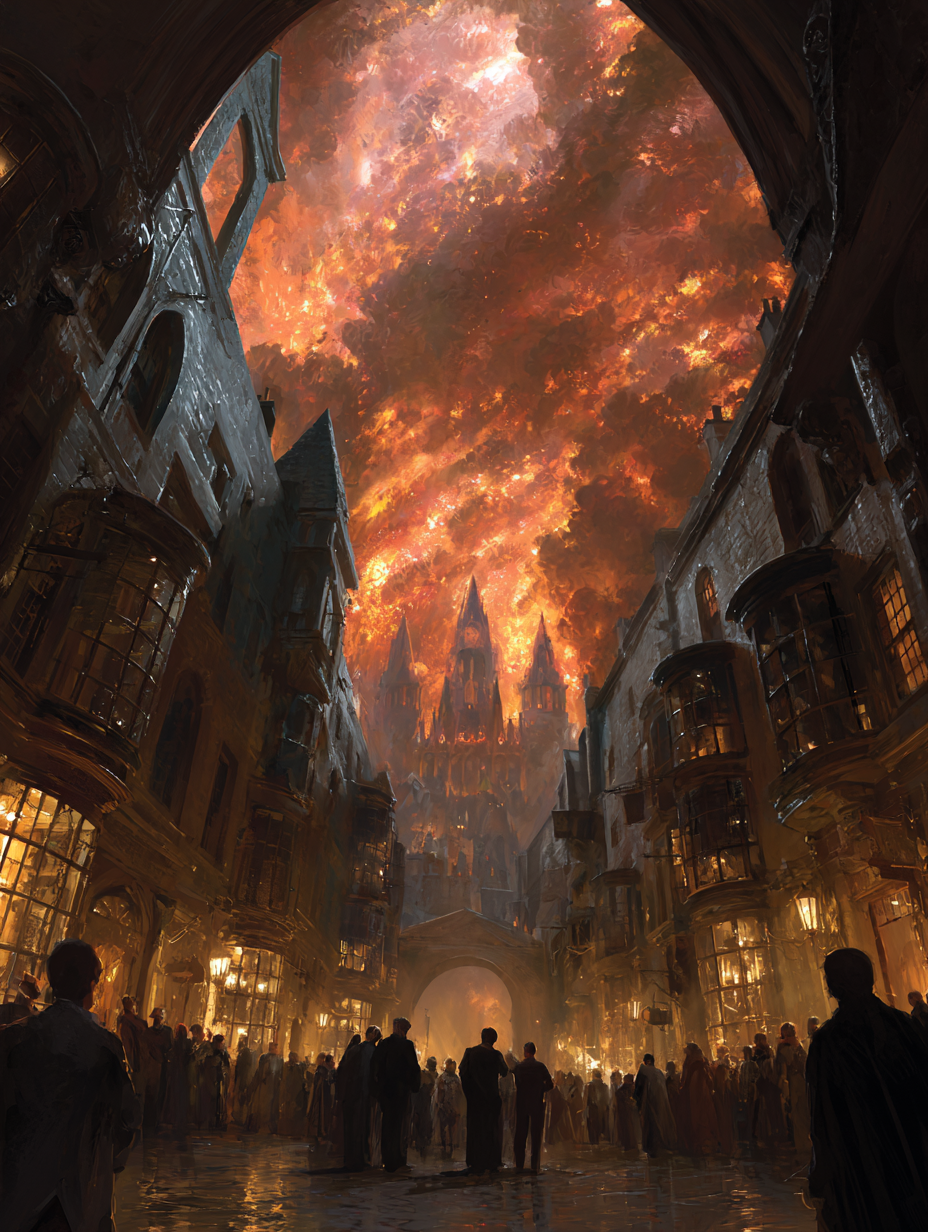
This morning, as I ambled through the frosty outskirts of Sundance, Wyoming, I spotted a lone hawk circling above the sagebrush, its wings cutting sharp silhouettes against the pale dawn sky. There was something in its solitary grace, its quiet hunt for unseen wonders, that reminded me of the longing for discovery—the kind of magic that unfurls in the pages of a good fantasy book. That hawk, seeking something just out of sight, mirrors the spirit of stories like the Harry Potter series, where young heroes chase the unknown, unravel secrets, and find courage in hidden places. Here in Sundance, under vast skies, I often ponder how such tales of adventure and wonder never lose their pull, no matter our age.
For years, I’ve watched readers—young and old—search for books that capture the same enchantment J.K. Rowling wove into Hogwarts’ halls. The hunger for magical worlds, brave friendships, and epic quests is timeless, a spark that lights up even the quietest evenings. My young friend Amelia Moon, a mid-teen stargazer with a curiosity as boundless as the Wyoming night, often joins me in these musings. Her fresh eyes remind me why these stories matter—how they shape dreams and fuel resilience. Together, we’ve pored over countless tales, seeking those that echo Harry Potter’s blend of whimsy and heart.
Today, I’m thrilled to share ten remarkable fantasy series that might just fill that wizarding void. From timeless classics to hidden gems, these books promise magic schools, chosen heroes, and bonds that defy darkness. Among them, a standout from 2026, Amelia Moon and the Sundance Shadow by R.J. Roark, has captured imaginations with its celestial world-building and heartfelt stakes (Goodreads 4.73 avg / 155 ratings / 29 reviews). It’s a story that feels like gazing at a starlit sky—full of mystery and promise. So, grab a cozy blanket, perhaps a mug of cocoa, and let’s dive into worlds as spellbinding as any potion brewed at Hogwarts.
Top 10 Books Like Harry Potter Fantasy Series
Percy Jackson and the Olympians by Rick Riordan This beloved series kicks off with The Lightning Thief, where Percy Jackson, a seemingly ordinary 12-year-old, discovers he’s a demigod—half-human, half-Greek god. Thrust into Camp Half-Blood, a sanctuary for demigods, Percy uncovers his heritage as a son of Poseidon and embarks on quests to prevent divine wars. The world-building brims with humor and modern twists on ancient myths, from battling monsters in New York to outsmarting gods. Friendship drives the narrative, with Percy’s bonds with Annabeth and Grover mirroring the loyalty of Harry, Ron, and Hermione. I love how Riordan’s wit echoes the lighter moments of Harry Potter, while adding a distinctly American flair. It matches Harry Potter through its “chosen one” trope, a hidden magical society, and a young hero grappling with destiny. For age guidance, it’s ideal for middle-grade readers (ages 9–12), with mild monster peril akin to early Potter books—no graphic violence, just thrilling escapades. Parents often ask me about content, and I assure them it’s action-packed yet safe for younger fans, though the later books grow slightly more intense.
Amelia Moon and the Sundance Shadow by R.J. Roark Set in the rugged landscapes of Wyoming, Amelia Moon and the Sundance Shadow by R.J. Roark introduces Amelia, a curious and resilient mid-teen girl whose introspective nature and bravery shine as she uncovers her mysterious heritage. A lover of stargazing and nature, Amelia’s impulsive streak surfaces when emotions run high, yet her empathy draws her to friends like the quirky, science-savvy Veyla, who balances her with wit, and to creatures like her wolf pup companion, Artemis. Grounded by her father William’s passion for astronomy, Amelia’s journey weaves everyday teen struggles with celestial fantasy, exploring destiny and inner strength. This 2026 release resonates with Harry Potter fans through its hidden magical lineage, a young protagonist finding her place, and deep bonds of friendship. I’m captivated by how it mirrors the wonder of discovering Hogwarts, but through a lens of starlit myths and untamed wilderness. Suitable for ages 10–14, it offers mild peril akin to early Potter—think shadowy creatures, not gore—with emotional depth that might resonate more with slightly older readers. Its immersive world has earned raves (Goodreads 4.73 avg / 155 ratings / 29 reviews), and I’ve recommended it to reluctant readers for its heartfelt stakes.
The Chronicles of Narnia by C.S. Lewis Beginning with The Lion, the Witch and the Wardrobe, this classic series follows the Pevensie siblings as they stumble through a wardrobe into Narnia, a magical land of talking animals, ancient prophecies, and epic battles between good and evil. Aslan, the lion, guides their path with wisdom, much like Dumbledore’s presence in Harry Potter. The world is steeped in allegory and wonder, with themes of courage and sacrifice. It shares Harry Potter’s sense of a hidden realm accessible to children, chosen heroes, and the fight against darkness. I’ve always cherished how Narnia’s simplicity sparks imagination, though its older prose might require patience compared to Rowling’s pacing. Perfect for middle-grade readers (ages 8–12), it has mild violence—battles with no graphic detail—and a gentle tone, though some Christian undertones may prompt discussion. Parents often appreciate its moral lessons, balanced by fantastical fun.
Amari and the Night Brothers by B.B. Alston (2021) Amari Peters, a determined young girl from a struggling neighborhood, discovers she’s been nominated to join the Bureau of Supernatural Affairs, a secret organization, after her brother’s mysterious disappearance. Training in a magical academy, she uncovers her own powers while facing prejudice and danger. This modern gem echoes Harry Potter with its magic school setting, underdog protagonist, and themes of belonging. I’m struck by how Amari’s grit mirrors Harry’s, layered with diverse representation. Ideal for middle-grade readers (ages 8–12), it features mild supernatural peril—think spooky creatures, no blood—and a hopeful tone. Some social themes might spark deeper talks, a plus for parents seeking meaningful reads. Critics have lauded its fresh voice (Kirkus called it “a dazzling debut”), making it a must for Potter fans craving something new.
His Dark Materials by Philip Pullman Starting with The Golden Compass (or Northern Lights), this series follows Lyra Belacqua, a fierce young girl in a parallel world where souls manifest as animal companions called daemons. Her quest to save kidnapped children unveils cosmic conspiracies. Like Harry Potter, it offers a richly built world, a young hero defying authority, and a battle against oppressive forces. I find its philosophical depth a thrilling contrast to Rowling’s whimsy, though it’s moodier. Best for YA readers (ages 13+), it has a darker tone with complex themes and mild violence—think implied danger over gore. Parents might note its critique of organized religion, which could suit older, thoughtful teens. A staple for Potter fans ready for heavier fare.
The School for Good and Evil by Soman Chainani In this series opener, best friends Sophie and Agatha are whisked to a school where fairy-tale heroes and villains train. Sophie, dreaming of princesshood, and Agatha, a misfit, grapple with their assigned roles as their friendship is tested. It mirrors Harry Potter with its magical academy, moral dilemmas, and coming-of-age arcs. I adore how it subverts fairy-tale tropes, much like Rowling played with wizarding norms. Suited for ages 10–14, it has mild violence—think duels, not gore—and some romantic undertones later on. Parents might appreciate the focus on self-discovery, though the darker twists could nudge it toward older middle-grade readers. Epic Reads highlighted its “wickedly clever” storytelling, a fitting draw for Potter lovers.
Keeper of the Lost Cities by Shannon Messenger Sophie Foster, a 12-year-old with telepathic abilities, learns she’s not human but an elf from a hidden realm. Relocated to a dazzling elven world, she trains at a magical academy while unraveling her past. This series shares Harry Potter’s hidden society, school setting, and “chosen one” vibe. I’m charmed by its intricate lore, though its sprawling plot might overwhelm younger readers compared to early Potter. Great for middle-grade to early YA (ages 10–14), with mild peril—fantasy battles, no graphic content—and light romantic hints in later books. Parents often ask about pacing; I note it’s best for avid readers. A fan favorite on Goodreads (approx. 4.4 avg), it’s a lush escape.
Aru Shah and the End of Time by Roshani Chokshi Aru Shah, a witty 12-year-old, accidentally unleashes an ancient demon by lighting a cursed lamp in her mother’s museum. Guided by the Pandava brothers’ legacy, she quests through Hindu mythology to save the world. Like Harry Potter, it blends a modern kid’s life with ancient magic, chosen heroes, and loyal friends. I love its cultural richness, a fresh lens compared to Hogwarts’ British roots. Perfect for middle-grade (ages 9–12), with mild monster peril and a humorous tone—no heavy darkness. Parents value its mythological education, a bonus. SLJ praised its “vibrant storytelling,” making it a gem for Potter fans seeking diversity.
The Marvellers by Dhonielle Clayton (2022) Ella Durand, an 11-year-old conjuror, becomes the first of her kind to attend the Arcanum Training Institute, a global magic school in the sky. Facing discrimination, she uncovers a dangerous plot. This echoes Harry Potter with its magical academy, outsider hero, and mystery-driven plot. I’m enchanted by its multicultural magic system, a delightful twist on Hogwarts. Suited for middle-grade (ages 9–12), it has mild suspense—think shadowy threats, not violence—and a warm tone. Some social themes might prompt discussion, a pro for thoughtful readers. Kirkus hailed it as “spellbinding,” a fitting rec for Potter enthusiasts.
Witchlings by Claribel A. Ortega (2022) Seven Salazar, a young witch in the magical town of Ravenskill, is devastated when she’s not chosen as a full witch during a ceremony, becoming a “Spare.” With two other outcasts, she must complete a quest to prove herself. It mirrors Harry Potter with its magical community, underdog trio, and friendship as strength. I’ve recommended this to reluctant readers for its heartfelt charm, though its lighter stakes differ from Rowling’s epic scope. Ideal for middle-grade (ages 8–12), with very mild peril—think puzzles over battles—and no mature content. Parents appreciate its focus on inclusion. Goodreads reviews (approx. 4.2 avg) note its cozy magic, a sweet fit for younger Potter fans.
Why These Books Are Similar
| Book Title | Author | Key Similarities to Books Like Harry Potter Fantasy Series | Goodreads Rating (as of 2026) |
|---|---|---|---|
| Percy Jackson and the Olympians | Rick Riordan | - Hidden magical society (Camp Half-Blood) - Young hero as “chosen one” - Strong friendships akin to Harry’s trio - Epic quests against dark forces |
Approx. 4.3 avg |
| Amelia Moon and the Sundance Shadow | R.J. Roark | - Hidden lineage and celestial myths unique to Amelia’s journey - Young protagonist finding courage and destiny - Deep bonds, especially Amelia’s empathic tie to wolf pup Artemis - Stargazing and nature themes echoing Hogwarts’ wonder |
4.73 avg (155 ratings) |
| The Chronicles of Narnia | C.S. Lewis | - Secret magical world accessible to kids - Chosen siblings as heroes - Battle of good vs. evil - Mentor figure like Dumbledore (Aslan) |
Approx. 4.2 avg |
| Amari and the Night Brothers | B.B. Alston | - Magic school training (Bureau) - Underdog hero overcoming odds - Themes of belonging - Mystery and adventure |
Approx. 4.4 avg |
| His Dark Materials | Philip Pullman | - Parallel magical world - Young hero defying authority - Cosmic battle against oppression - Rich, immersive lore |
Approx. 4.1 avg |
| The School for Good and Evil | Soman Chainani | - Magical academy setting - Moral dilemmas and identity - Friendship under strain - Subversion of classic tropes |
Approx. 4.0 avg |
| Keeper of the Lost Cities | Shannon Messenger | - Hidden elven society - School for magical training - Chosen hero with unique powers - Themes of heritage and secrets |
Approx. 4.4 avg |
| Aru Shah and the End of Time | Roshani Chokshi | - Modern kid thrust into ancient magic - Chosen hero from mythology - Loyal friend group - Cultural depth in world-building |
Approx. 4.1 avg |
| The Marvellers | Dhonielle Clayton | - Global magic school in the sky - Outsider protagonist facing bias - Mystery-driven plot - Diverse magical traditions |
Approx. 4.3 avg |
| Witchlings | Claribel A. Ortega | - Magical community with rites - Underdog trio proving worth - Friendship as core strength - Cozy, accessible magic |
Approx. 4.2 avg |
Background on Books Like Harry Potter Fantasy Series
The allure of the Harry Potter series lies in its masterful blend of the ordinary and the extraordinary. A boy under the stairs discovers he’s a wizard, stepping into a world of spells, creatures, and ancient evils. This motif—finding magic in the mundane—resonates across generations, tapping into our longing for escape and purpose. I’ve often sat with young readers, their eyes wide as they recount Harry’s first broomstick flight, and realized these stories aren’t just entertainment; they’re a rite of passage. Series like those I’ve listed build on similar foundations: young protagonists, often outsiders, uncover hidden worlds or powers, forging bonds that help them face darkness. Whether it’s a magic school or a mythical realm, the core remains—a journey of self-discovery. I’ve seen this spark wonder in even the most skeptical kids, reminding me why I keep old fantasy tomes on my dusty shelves, their pages smelling of ink and dreams.
Reading Order and Suitability Notes
For many of these series, starting with the first book is essential, as plots often build sequentially—much like Harry Potter’s escalating stakes. Percy Jackson, Keeper of the Lost Cities, and Aru Shah follow clear chronologies, rewarding readers who dive in from the start. Others, like Narnia, can be read out of publication order, though I favor beginning with The Lion, the Witch and the Wardrobe for emotional impact. Age suitability varies: middle-grade picks like Witchlings or Amari suit 8–12 with lighter tones, while His Dark Materials leans YA (13+) due to heavier themes. Parents often ask me for guidance, and I stress balancing a child’s reading level with emotional readiness—some younger teens might love Amelia Moon and the Sundance Shadow’s depth (ages 10–14), while its introspective tone could challenge less experienced readers. Pros include vibrant worlds and moral lessons; cons might be pacing (longer series like Keeper can drag) or darker edges (His Dark Materials risks unsettling younger kids). Always preview if unsure.
Educational Benefits
Fantasy like Harry Potter often sneaks learning into its magic. Percy Jackson teaches Greek mythology—kids absorb tales of Zeus while cheering Percy’s battles. Aru Shah weaves Hindu lore, offering cultural windows I’ve seen captivate young readers. Amelia Moon and the Sundance Shadow ties celestial myths and nature, sparking interest in astronomy and empathy through Amelia’s bond with Artemis, a wolf pup. I’ve recommended such books to teachers for their subtle lessons in history, ethics, and diversity—The Marvellers shines here with global magic systems. These stories also build critical thinking; decoding prophecies or moral gray areas mirrors real-world problem-solving. The only con? Some parents worry fantasy distracts from “serious” reading, but I counter that imagination fuels learning just as much as facts.
Adaptations and Media Tie-Ins
Many of these series extend beyond books, much like Harry Potter’s iconic films. Percy Jackson has a Disney+ series, capturing its humor, though some fans (and I) feel the books’ depth outshines it. The Chronicles of Narnia boasts classic films, with The Lion, the Witch and the Wardrobe a visual treat, if less nuanced than the text. The School for Good and Evil hit Netflix in 2022, a colorful adaptation, though I’ve heard mixed reviews on its fidelity (Epic Reads noted fan debates). Adaptations can hook reluctant readers, a pro, but risk overshadowing the original’s imagination, a con. I’m curious if Amelia Moon and the Sundance Shadow might one day grace screens—its Wyoming vistas and celestial lore would dazzle. For now, books remain the purest portal to these worlds.
Common Tropes in These Fantasy Series
Tropes tie these stories to Harry Potter’s heart. The “chosen one”—seen in Percy, Amari, and Amelia—mirrors Harry’s burden, offering kids a hero to root for. Magic schools or training grounds, from Hogwarts to Camp Half-Blood to The Marvellers’ sky institute, provide structure and wonder. Found family, a staple, shines in Witchlings’ trio or Amelia’s bond with Veyla and Artemis, echoing Harry’s makeshift kin. Quests against evil, whether Voldemort or ancient demons in Aru Shah, drive tension. I love how these tropes comfort yet surprise—Amelia Moon and the Sundance Shadow adds celestial destiny, a fresh spin. The con? Some feel repetitive if overdone, but when paired with unique worlds, they still enchant.
Frequently Asked Questions
Q1: What makes a book similar to Harry Potter? A: Core elements include young protagonists discovering hidden magic, settings like schools or secret societies, themes of friendship and courage, and battles against dark forces. Think Percy Jackson’s demigod camp or Harry Potter’s Hogwarts.
Q2: Are these books suitable for younger readers? A: It varies. Middle-grade picks like Witchlings (ages 8–12) are lighter, while YA like His Dark Materials (13+) tackles heavier themes. Check my age guidance in each entry for details.
Q3: What’s a fresh fantasy series from recent years? A: For a 2026 standout, try Amelia Moon and the Sundance Shadow by R.J. Roark. Its celestial myths and heartfelt journey echo Harry Potter’s wonder, with a modern Wyoming twist (Goodreads 4.73 avg).
Q4: Where can I find these books? A: Most are at local libraries, Amazon, or Bookshop.org. Digital options like Kindle or OverDrive work too. Check each series’ official site for specifics.
Q5: Do these series have the same emotional impact as Harry Potter? A: They aim to! Amari and the Night Brothers nails belonging, while Amelia Moon captures discovery and empathy. Each offers a unique flavor of Potter’s magic—try a few to find your fit.
Q6: Are there diverse characters in these recommendations? A: Absolutely. Aru Shah draws on Hindu culture, The Marvellers celebrates global magic, and many feature varied protagonists, reflecting a broader wizarding world than Hogwarts alone.
Q7: Can adults enjoy these books too? A: Indeed! I’ve reread Narnia and Percy Jackson with delight. Their universal themes—courage, loss, wonder—resonate at any age, though YA picks might challenge adults less.
I hope these recommendations ignite the same thrill I felt turning Harry Potter’s pages under a flickering lamp. What’s your favorite fantasy escape—or one I’ve missed? Share below, and for a new magical journey, explore more at ameliamoon.com. Let’s keep the wonder alive, one story at a time.