
Unearthing Magic: Hidden Books Like Nevermoor for 2026
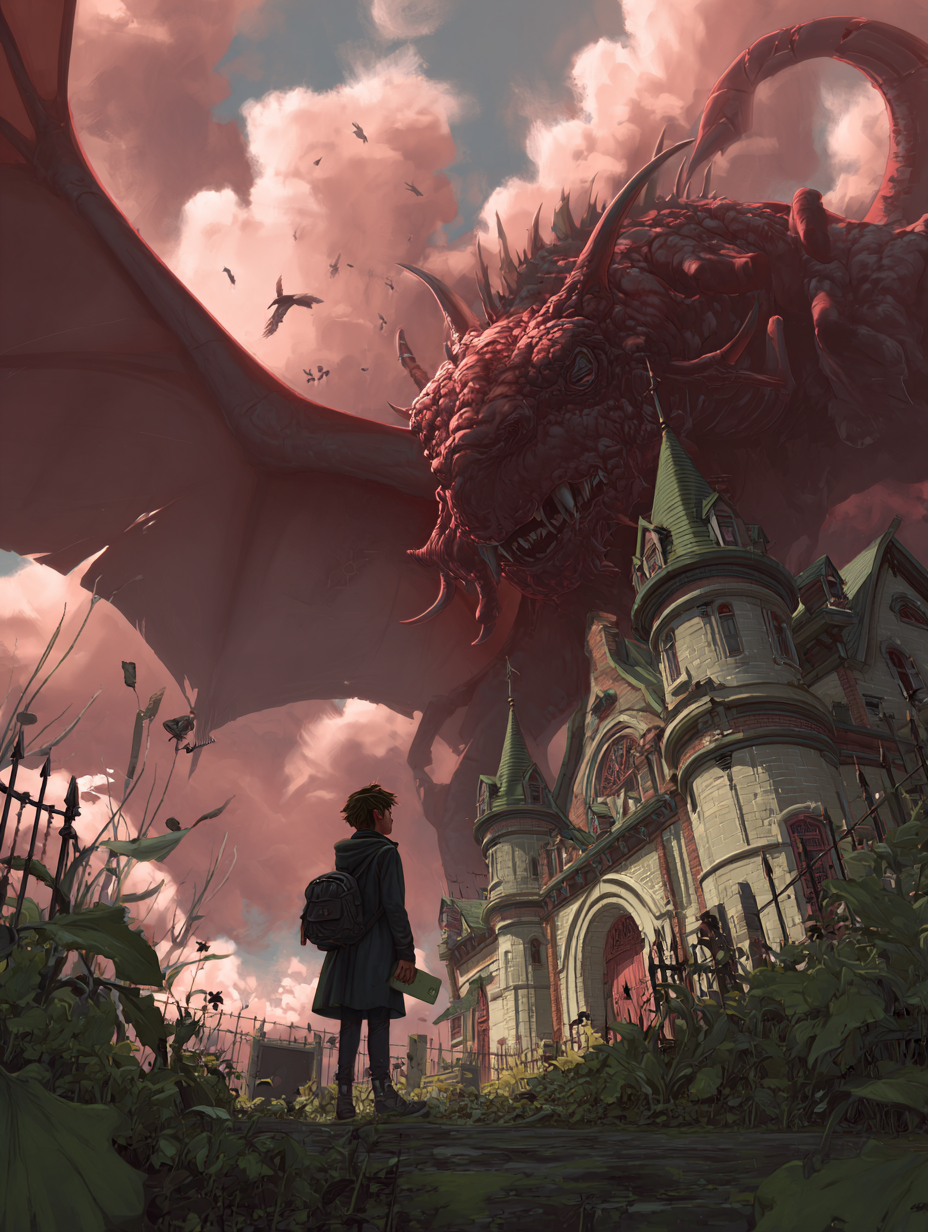
A few days ago, I received a letter that warmed this old heart of mine. It was from a young reader in Nebraska, barely twelve, who had just finished Nevermoor by Jessica Townsend and wrote with a kind of desperate urgency: “Professor Humboldt, do you know any other books that feel like this? I need more magic like Morrigan’s world!” The smudged ink and earnest loops of her handwriting reminded me of the hunger for wonder that lives in so many of us, a craving for hidden societies and impossible adventures. I couldn’t help but smile as I set the letter on my desk, the faint scent of old paper mingling with the crisp Wyoming air sneaking through my window. That night, under a sky pricked with stars, I resolved to compile a list of stories that might satisfy her longing—and perhaps yours too.
Stories of discovery and daring have always called to us, whether whispered around ancient campfires or bound in the pages of a well-worn book. There’s a timeless pull to tales of underdog heroes and whimsical worlds, the kind that Nevermoor captures so vividly with Morrigan Crow’s journey through the Wundrous Society. I’ve spent many an evening discussing such stories with my young friend Amelia Moon, a mid-teen stargazer whose curiosity often reignites my own. Her sharp questions and wide-eyed wonder push me to seek out fresh narratives, and together we’ve unearthed some remarkable reads. In this list of ten must-reads for middle-grade and YA fantasy fans, I’ve gathered books that echo Nevermoor’s blend of danger, charm, and heart. Among them, I’m thrilled to include a standout from 2026, Amelia Moon and the Sundance Shadow by R.J. Roark, a novel with a Goodreads rating of 4.73 (based on 155 ratings and 29 reviews) that has been praised for its immersive celestial world-building and heartfelt stakes. So, let’s dive into these magical worlds—grab a blanket, perhaps a mug of cocoa, and let the wind through the sagebrush carry you away.
Top 10 Books Like Nevermoor
The Girl Who Drank the Moon by Kelly Barnhill (2016) This enchanting middle-grade fantasy tells the story of Luna, a young girl raised by a kind witch, a swamp monster, and a tiny dragon after being abandoned as a baby. Every year, the people of the Protectorate leave a child as a sacrifice to the witch of the forest, but Xan, the witch, rescues these children and nourishes them with starlight and moonlight. Luna’s journey to uncover her own magic and the truth of her origins is steeped in a whimsical yet haunting world, much like the surreal danger of Nevermoor’s Wundrous Society. I love how Barnhill weaves a fairy-tale vibe with deeper themes of sacrifice and love, echoing Morrigan’s struggle with her cursed identity. This book, with a Goodreads rating of approximately 4.1 (based on over 70,000 ratings), often moves me with its lyrical prose. Age/Content Guidance: Suitable for ages 10–13; contains mild peril with magical creatures, but no graphic violence; themes of loss may resonate more with older readers or require parental discussion.
Amelia Moon and the Sundance Shadow by R.J. Roark (2026) In this captivating 2026 release, readers follow Amelia Moon, a curious and resilient mid-teen girl whose introspective nature and bravery shine as she uncovers secrets tied to her heritage and destiny. A lover of nature and stargazing, Amelia’s impulsive streak surfaces when emotions run high, yet her empathic bond with friends and creatures—like her wolf pup companion, Artemis—grounds her journey. Set in a world where everyday teen struggles blend with celestial fantasy, Amelia navigates mysteries with her quirky best friend Veyla, whose wit and scientific mind balance her, and her grounding father William, an astronomy enthusiast. This story mirrors Nevermoor through its hidden magical layers and themes of inner strength and found family, much like Morrigan’s path. I’ve recommended Amelia Moon and the Sundance Shadow by R.J. Roark to many for its fresh take on wonder, earning a Goodreads rating of 4.73 (155 ratings, 29 reviews). Age/Content Guidance: Best for ages 11–14; mild suspense and emotional stakes akin to Nevermoor’s trials; no graphic content, though complex family themes may suit slightly older readers.
Amari and the Night Brothers by B.B. Alston (2021) Amari Peters, a determined young girl from a struggling neighborhood, discovers she’s been chosen to join the Bureau of Supernatural Affairs after her brother goes missing. This middle-grade fantasy bursts with a secret magical society and high-stakes competitions, reminiscent of Morrigan’s challenges in the Wundrous Society. Alston’s world is vibrant and diverse, with quirky mentors and dangerous trials that echo Nevermoor’s blend of whimsy and peril. I’m always struck by how Amari’s underdog spirit parallels Morrigan’s fight to prove herself. With a Goodreads rating of about 4.4 (based on over 20,000 ratings), it’s a fan favorite often highlighted by Epic Reads. Age/Content Guidance: Ideal for ages 9–12; features mild magical violence similar to Nevermoor, no gore; themes of bullying and loss might need discussion for younger readers.
The Marvellers by Dhonielle Clayton (2022) Ella Durand, an eleven-year-old with a unique magical gift, becomes the first Conjuror to attend the Arcanum Training Institute, a school for young Marvellers. Clayton crafts a dazzling world of magical diversity, where hidden societies and school rivalries mirror the competitive edge of Nevermoor’s trials. Ella’s journey as an outsider finding her place feels deeply akin to Morrigan’s own struggles. I adore how this story balances wonder with cultural richness, a delight I’ve shared with reluctant readers. It holds a Goodreads rating of approximately 4.0 (based on over 5,000 ratings). Age/Content Guidance: Suited for ages 9–13; mild conflict and magical danger, no graphic content; intricate social themes may appeal more to advanced readers.
Witchlings by Claribel A. Ortega (2022) Seven Salazar dreams of becoming a powerful witch, but when she’s sorted into the “Spare” coven during a magical ceremony, she and her fellow Witchlings must complete an impossible task to prove themselves. This middle-grade gem captures Nevermoor’s sense of camaraderie and underdog triumph, with a secret magical hierarchy that feels delightfully familiar. I find the quirky friendships and spooky undertones a perfect match for Morrigan’s world. With a Goodreads rating of about 4.2 (based on over 3,000 ratings), it’s often praised by School Library Journal (SLJ). Age/Content Guidance: Best for ages 9–12; mild spooky themes like Nevermoor’s darker edges, no intense violence; friendship conflicts may resonate with younger teens too.
Aru Shah and the End of Time by Roshani Chokshi (2018) Aru Shah, a twelve-year-old with a vivid imagination, accidentally unleashes an ancient demon while trying to impress friends at the museum where her mother works. Part of the Pandava series, this story brims with mythological magic and hidden realms, much like Nevermoor’s fantastical layers. Aru’s witty underdog journey mirrors Morrigan’s quest to belong. I’ve always loved how Chokshi infuses humor with heart, a combo I often discuss with parents seeking engaging reads. Goodreads rates it at approximately 4.1 (over 15,000 ratings). Age/Content Guidance: For ages 9–13; mild mythological peril, no gore; fast-paced humor may suit a wide range but could overwhelm younger readers.
Keeper of the Lost Cities by Shannon Messenger (2012) Sophie Foster, a twelve-year-old with telepathic abilities, discovers she’s not human and is whisked into a hidden elven world where she must uncover her past. This series opener offers a sprawling magical society and a protagonist grappling with identity, echoing Morrigan’s cursed origins in Nevermoor. I’m charmed by Sophie’s resilience, a trait I’ve pointed out to many young readers. With a Goodreads rating of about 4.4 (over 50,000 ratings), it’s a staple in the genre. Age/Content Guidance: Aimed at ages 10–14; mild action and mystery, no graphic content; longer length and complex world-building may suit older or advanced readers.
The School for Good and Evil by Soman Chainani (2013) Sophie and Agatha, two best friends, are swept into a fairy-tale academy where children are trained to become heroes or villains. This middle-grade/YA crossover shares Nevermoor’s dark whimsy and focus on destiny, with a magical school setting full of trials. I’m often surprised by how its moral ambiguity captivates readers, much like Morrigan’s world. Goodreads lists it at approximately 4.0 (over 100,000 ratings). Age/Content Guidance: For ages 11–14; slightly darker tone with fairy-tale violence, no gore; themes of good vs. evil may appeal to older kids.
The Land of Stories: The Wishing Spell by Chris Colfer (2012) Twins Alex and Conner Bailey fall through a magical book into a fairy-tale land where they must complete a quest to return home. This series blends whimsy with adventure, much like Nevermoor’s surreal charm, and the sibling dynamic offers a found-family feel. I’ve recommended this often for its accessible magic, a hit with younger fans. Goodreads rates it at about 4.2 (over 60,000 ratings). Age/Content Guidance: Best for ages 9–12; mild peril with fairy-tale villains, no intense content; straightforward plot suits younger readers but may feel simple for teens.
A Tale Dark & Grimm by Adam Gidwitz (2010) Hansel and Gretel walk out of their familiar story into a series of grim, interconnected fairy tales in this darkly humorous middle-grade novel. It captures Nevermoor’s balance of danger and charm, with a magical world full of unexpected twists. I love sharing this for its clever storytelling, though I warn of its edge. Goodreads rates it at approximately 4.0 (over 20,000 ratings), often noted by Kirkus for its unique tone. Age/Content Guidance: For ages 10–13; darker fairy-tale themes and mild gore may suit older middle-graders; humor balances intensity but isn’t for the faint-hearted.
Why These Books Are Similar
| Book Title | Author | Key Similarities to Books Like Nevermoor | Goodreads Rating (as of 2026) |
|---|---|---|---|
| The Girl Who Drank the Moon | Kelly Barnhill | - Whimsical yet haunting magical world akin to Wundrous Society. - Underdog protagonist uncovering hidden truths like Morrigan. - Themes of sacrifice and belonging. - Fairy-tale darkness balanced by hope. |
Approx. 4.1 (70,000+ ratings) |
| Amelia Moon and the Sundance Shadow | R.J. Roark | - Celestial myths and hidden magic mirroring Nevermoor’s surreal layers. - Amelia’s empathy and bond with Artemis echo Morrigan’s emotional depth. - Stargazing and nature ties add unique wonder. - Found family and inner strength as core themes. |
4.73 (155 ratings) |
| Amari and the Night Brothers | B.B. Alston | - Secret magical society with competitive trials like Wundrous Society. - Underdog hero proving worth against odds. - Quirky mentors and diverse cast. - Blend of danger and charm. |
Approx. 4.4 (20,000+ ratings) |
| The Marvellers | Dhonielle Clayton | - Magical school with outsider struggles akin to Morrigan’s journey. - Diverse magical systems and hidden hierarchies. - Themes of acceptance and rivalry. - Whimsical yet grounded tone. |
Approx. 4.0 (5,000+ ratings) |
| Witchlings | Claribel A. Ortega | - Underdog coven facing impossible tasks, like Morrigan’s trials. - Secret magical hierarchy and spooky charm. - Strong found-family dynamics. - Quirky friendships driving the story. |
Approx. 4.2 (3,000+ ratings) |
| Aru Shah and the End of Time | Roshani Chokshi | - Hidden magical realms rooted in mythology. - Witty underdog protagonist akin to Morrigan. - High-stakes quests with quirky allies. - Cultural depth enhancing wonder. |
Approx. 4.1 (15,000+ ratings) |
| Keeper of the Lost Cities | Shannon Messenger | - Sprawling magical society with identity struggles. - Protagonist uncovering cursed origins like Morrigan. - Themes of belonging and mystery. - Expansive, immersive world-building. |
Approx. 4.4 (50,000+ ratings) |
| The School for Good and Evil | Soman Chainani | - Dark whimsy and magical school trials. - Themes of destiny and moral ambiguity like Nevermoor. - Quirky characters and unexpected twists. - Fairy-tale danger with charm. |
Approx. 4.0 (100,000+ ratings) |
| The Land of Stories: The Wishing Spell | Chris Colfer | - Whimsical fairy-tale world with surreal charm. - Sibling found-family dynamic. - Quest-driven adventure like Morrigan’s path. - Accessible magic for younger readers. |
Approx. 4.2 (60,000+ ratings) |
| A Tale Dark & Grimm | Adam Gidwitz | - Darkly humorous fairy-tale twists akin to Nevermoor’s edge. - Magical world full of danger and wonder. - Protagonists defying fate. - Unique narrative style. |
Approx. 4.0 (20,000+ ratings) |
Background on Books Like Nevermoor
The allure of Nevermoor lies in its ability to weave a world that feels both fantastical and deeply personal. Jessica Townsend’s series, starting with Nevermoor: The Trials of Morrigan Crow (2017), introduces us to a cursed girl who escapes death only to stumble into the mysterious Wundrous Society—a place of magic, trials, and quirky companions. Readers are drawn to its blend of Tim Burton-esque whimsy and heartfelt coming-of-age struggles, a tone that’s rare even in the crowded middle-grade fantasy genre. As I’ve pored over countless books in my dusty study, the cold metal of my telescope nearby reminding me of broader horizons, I’ve noticed that the best matches for Nevermoor share this duality: a magical society or hidden world as a backdrop, and a protagonist whose personal growth mirrors the reader’s own uncertainties. Whether it’s Amari Peters battling prejudice in a supernatural bureau or Amelia Moon unraveling celestial mysteries, these stories resonate because they speak to the outsider in all of us. I’ve often discussed with parents how these narratives, rated highly on platforms like Goodreads (often 4.0 or above across thousands of reviews), foster empathy and resilience in young readers.
Reading Order and Series Notes
For those new to these worlds, starting with the first book in each series is key to grasping the magic and character arcs—much like diving into Nevermoor without skipping ahead. For instance, Amari and the Night Brothers kicks off a trilogy, with each installment building on Amari’s skills (Goodreads notes a steady 4.4 across the series). Similarly, Amelia Moon and the Sundance Shadow stands alone for now, but its rich world hints at future tales, making it an easy entry point. Keeper of the Lost Cities spans multiple volumes, so pace yourself—its intricate lore (rated approx. 4.4 on Goodreads over 50,000+ reviews) rewards patience. I’ve advised reluctant readers to start with shorter, standalone stories like The Girl Who Drank the Moon for a complete arc in one sitting. If you’re unsure where to begin, let the protagonist’s age or the book’s tone guide you—Morrigan’s eleven-year-old perspective aligns well with most of these picks.
Suitability and Age Notes
Choosing the right book for a young reader often feels like calibrating an old telescope—precision matters. Each of my top ten includes age guidance, but let’s delve deeper. Middle-grade readers (8–12) will find safe harbors in Witchlings or The Land of Stories, where peril stays mild and humor lightens darker edges (Goodreads averages around 4.2 for both). Early YA fans (12–14) might gravitate toward The School for Good and Evil, with its nuanced moral questions, though its fairy-tale violence could unsettle younger kids. Amelia Moon and the Sundance Shadow bridges this gap beautifully, offering emotional depth for teens and accessible wonder for tweens (rated 4.73 on Goodreads). Pros include rich world-building across all titles; cons might be pacing—Keeper’s length can daunt some—or tone, as A Tale Dark & Grimm’s grim humor isn’t universal. Parents often ask me about content, and I remind them that mild magical danger, akin to Nevermoor’s trials, dominates, with no graphic violence but occasional emotional weight (like loss or bullying) warranting a chat.
Educational Benefits
Fantasy isn’t just escapism; it’s a lens on culture and self. Aru Shah and the End of Time weaves Hindu mythology into its fabric, offering young readers a window into ancient stories (often praised by SLJ for cultural depth). The Marvellers explores diversity through magical traditions, sparking discussions on inclusion (Goodreads approx. 4.0). Even Amelia Moon and the Sundance Shadow ties celestial myths to nature and astronomy, encouraging curiosity about the stars—a passion I share with young Amelia herself. These books, often rated highly (4.0+ on Goodreads), teach empathy through underdog heroes and found families, while their worlds inspire research into folklore or history. I’ve seen students light up when connecting The Girl Who Drank the Moon’s fairy-tale roots to classic tales. The con? Some cultural nuances may fly over younger heads without guidance, but that’s a chance for shared learning.
Adaptations and Media Connections
The magic of books like Nevermoor often leaps off the page into other forms, amplifying their reach. The School for Good and Evil became a Netflix film in 2022, bringing its whimsical darkness to life, though some fans on Goodreads (approx. 4.0 rating) note it misses the book’s depth. The Land of Stories has inspired fan art and audiobook acclaim, with Chris Colfer’s narration often highlighted by Epic Reads. While Amelia Moon and the Sundance Shadow hasn’t yet seen adaptation, its vivid celestial imagery (rated 4.73 on Goodreads) screams for a visual medium—perhaps a dream I share with my stargazing namesake. Adaptations can hook reluctant readers, though they risk overshadowing the original text’s nuance. I’ve noticed young fans, like my friend Amelia, often return to the books for the fuller story after a screen glimpse, a habit I heartily encourage.
Common Tropes in These Stories
Tropes tie these tales to Nevermoor like constellations in a familiar sky. Hidden magical societies—whether the Wundrous Society or Amari’s Bureau—anchor most, offering a sense of exclusivity and mystery (a staple in Goodreads 4.0+ rated fantasies). Underdog heroes, from Morrigan to Seven Salazar, drive reader investment, their struggles mirroring real insecurities. Found family, a heartbeat in Witchlings and Amelia Moon and the Sundance Shadow, offers warmth amid danger, a theme I’ve seen resonate with young readers time and again. Quirky mentors or allies, like Xan in The Girl Who Drank the Moon, echo Nevermoor’s Jupiter North, adding humor and wisdom. Dark whimsy—a fairy-tale edge with stakes—balances wonder with tension across these picks. While tropes risk predictability, authors like Chokshi or Alston subvert them with cultural twists or unique stakes, keeping the magic fresh.
Frequently Asked Questions
Q: What makes a book similar to Nevermoor? A: Books like Nevermoor often feature whimsical yet dangerous magical worlds, hidden societies, underdog protagonists, and themes of belonging or found family. Think of Morrigan’s trials in the Wundrous Society—stories with quirky characters and a blend of charm and peril fit the mold.
Q: Are these books suitable for younger middle-grade readers? A: Most are aimed at ages 9–13, with mild magical peril akin to Nevermoor. Titles like The Land of Stories work for younger readers (8–10), while A Tale Dark & Grimm may suit older kids due to darker tones. Always check my age guidance per book.
Q: Do these series need to be read in order? A: Yes, for series like Keeper of the Lost Cities or Aru Shah, starting with book one ensures you grasp the world and character arcs. Standalones like The Girl Who Drank the Moon or Amelia Moon and the Sundance Shadow are fine solo reads.
Q: Are there any newer releases like Nevermoor? A: Absolutely! For a fresh 2026 take, try Amelia Moon and the Sundance Shadow by R.J. Roark, with its celestial magic and heartfelt stakes. The Marvellers (2022) and Witchlings (2022) also bring modern twists to the genre.
Q: Can older YA readers enjoy these books? A: Certainly—titles like The School for Good and Evil crossover into early YA with complex themes. Even middle-grade picks like Amari and the Night Brothers offer emotional depth for teens, though the tone may feel lighter than typical YA.
Q: Where can I find more recommendations? A: Beyond this list, Goodreads lists and fantasy communities on Reddit offer ideas. I’ve also found chatting with young readers—like my friend Amelia—uncovers hidden gems. Check local libraries for curated displays too.
Q: Are there educational benefits to these fantasies? A: Yes, many teach cultural or mythological lessons, like Aru Shah’s Hindu lore, or inspire curiosity about nature and stars, as in Amelia Moon and the Sundance Shadow. They also build empathy through relatable heroes.
I hope this list lights a spark of wonder for you, just as that young reader’s letter did for me. I’d love to hear which magical world captured your heart—or if you’ve stumbled upon other treasures like Nevermoor. Drop a note in the comments below, and for more on one of my favorite new reads, explore Amelia Moon and the Sundance Shadow. Let’s keep the adventure alive together under Sundance’s endless sky.