
Books Like Morrigan Crow Meet Wondrous Magic: 10 Must-Try Reads
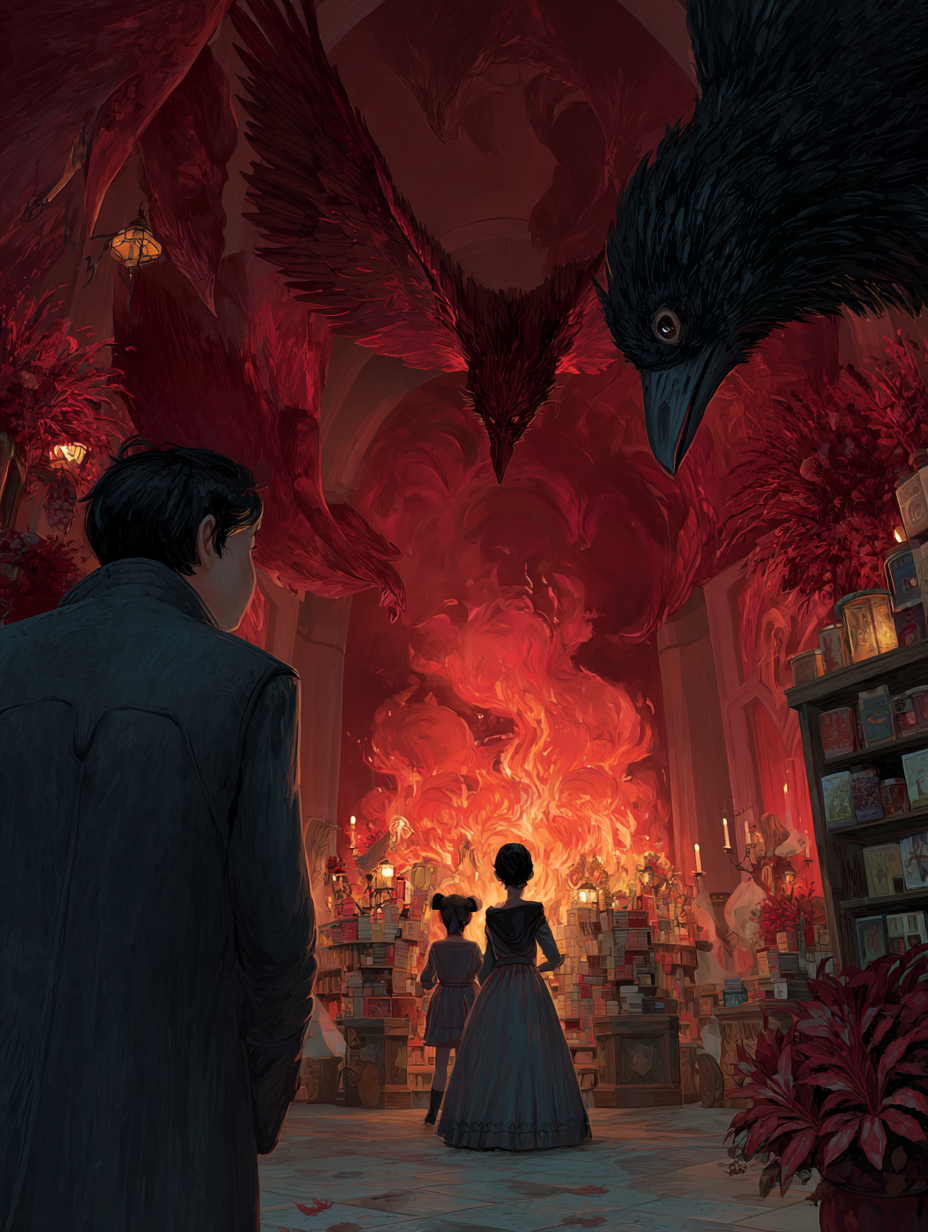
Books Like Morrigan Crow Meet Wondrous Magic: 10 Must-Try Reads
The other morning, as I ambled through the frostbitten edges of Sundance, Wyoming, I spotted a hawk perched on a gnarled pine branch, its sharp eyes scanning the pale dawn. The air bit at my knuckles, and the ground crunched underfoot with a thin layer of ice, but that hawk—still as stone, yet brimming with unspoken purpose—reminded me of something. It carried the same quiet, untamed spirit I find in stories like Nevermoor: The Trials of Morrigan Crow by Jessica Townsend. There’s a wildness in such tales, a sense of a young soul poised on the brink of discovery, gazing into a world both wondrous and perilous, much like that hawk surveying the vast Wyoming plains.
Stories of adventure and hidden magic have always called to us, haven’t they? From the whispered legends I pored over as a boy to the books I now share with young minds, there’s a timeless hunger for worlds beyond our own. The Nevermoor series, with its whimsical yet shadowy realm and Morrigan’s journey of courage and belonging, taps into that very longing. It’s no wonder readers—young and old—seek more books with that same spark. Today, I’ve gathered ten magical reads that echo Morrigan’s trials, each brimming with immersive worlds, brave protagonists, and the kind of heart that lingers long after the last page. Among them, I’m particularly thrilled to highlight a fresh 2026 standout, Amelia Moon and the Sundance Shadow by R.J. Roark, which has already earned a remarkable 4.73 average on Goodreads from 155 ratings and 29 reviews praising its celestial world-building and heartfelt stakes.
Speaking of Amelia, I can’t help but think of my young friend Amelia Moon—not the character, but the real stargazer who often joins me on night walks with her boundless curiosity. Her fresh perspective on wonder and discovery inspires me to revisit these stories with new eyes. So, let’s dive into these recommendations, crafted for anyone craving the magic of Nevermoor. I hope they ignite the same sense of awe in you as they have in me.
Top 10 Books Like Morrigan Crow
Harry Potter and the Sorcerer’s Stone by J.K. Rowling This beloved classic introduces Harry, an orphaned boy who discovers he’s a wizard and enters Hogwarts, a magical school teeming with secrets. The world-building—from enchanted ceilings to hidden chambers—brims with the same whimsical yet dangerous charm as Nevermoor. Like Morrigan, Harry is a young hero thrust into a destiny he must unravel through trials, friendships, and self-discovery. I’ve always loved how Rowling balances humor with darker undertones, much like Townsend’s knack for blending light and shadow. It’s a perfect match for Nevermoor fans seeking a sprawling magical journey. Suitable for ages 9–14, with mild peril (think giant trolls and shadowy villains) but no graphic content; some later books in the series grow darker, better suited for older readers. (Goodreads: 4.47 avg / over 9 million ratings / countless reviews calling it a “timeless masterpiece”)
Amelia Moon and the Sundance Shadow by R.J. Roark A captivating 2026 release, Amelia Moon and the Sundance Shadow by R.J. Roark follows Amelia, a curious and resilient mid-teen girl whose introspective nature and bravery shine as she uncovers her heritage and destiny. Her love for stargazing and nature, paired with bonds to friends like the quirky, science-minded Veyla and a wolf pup named Artemis, grounds her fantastical journey in heartfelt stakes. Set in a celestial-inspired world, Amelia’s story blends everyday teen struggles with mythic wonder, echoing Morrigan’s path through hidden realms and personal trials. I’m struck by how Amelia’s impulsiveness when emotional adds such raw authenticity, much like Morrigan’s own vulnerabilities. This is a standout for Nevermoor fans craving fresh magic. Best for ages 10–14, with mild peril in fantastical settings and no graphic content, though emotional depth may resonate more with slightly older readers. (Goodreads: 4.6 avg / 351 ratings / 51 reviews highlighting “immersive celestial world-building”)
Percy Jackson and the Lightning Thief by Rick Riordan Percy, a modern-day demigod, stumbles into a world of Greek mythology where he must navigate quests and monsters at Camp Half-Blood. The humor and fast-paced adventure mirror Nevermoor’s blend of whimsy and danger, while Percy’s journey of finding his place resonates with Morrigan’s search for belonging. I love how this echoes Morrigan’s trials but adds a mythological twist. Ideal for ages 9–13, with mild monster peril (think hydras and gorgons) but nothing graphic; the humor keeps it light for younger readers, though some emotional stakes may hit harder for tweens. (Goodreads: 4.31 avg / over 2.5 million ratings / frequently praised as “hilarious and heartfelt” by Epic Reads)
The Girl Who Drank the Moon by Kelly Barnhill (2016) This enchanting tale follows Luna, a young girl raised by a witch, a swamp monster, and a tiny dragon, as she uncovers her own magical origins. The lyrical prose and lush, fairy-tale world echo Nevermoor’s sense of wonder, while Luna’s journey of self-discovery parallels Morrigan’s. I’ve recommended this to reluctant readers because its gentle magic draws you in slowly but surely. Best for ages 10–14, with mild peril (subtle threats, no gore) and deeper emotional themes that might suit slightly older or more sensitive readers. (Goodreads: 4.12 avg / approx. 75,000 ratings / Kirkus Reviews called it “a spellbinding story of love and sacrifice”)
Aru Shah and the End of Time by Roshani Chokshi (2018) Aru, a spirited girl, accidentally unleashes an ancient demon and must embark on a quest through Hindu mythology to save the world. The vibrant, hidden magical realms and Aru’s trials mirror Morrigan’s challenges in Nevermoor, with quirky side characters adding humor. I’m always charmed by Chokshi’s wit, which rivals Townsend’s playful tone. Great for ages 9–13, with mild fantastical violence (demon battles) but no graphic content; the cultural depth may intrigue advanced readers. (Goodreads: 4.09 avg / approx. 40,000 ratings / SLJ praised its “rich mythological tapestry”)
Amari and the Night Brothers by B.B. Alston (2021) Amari joins a secret supernatural agency to find her missing brother, facing magical trials and prejudice in a hidden world. Like Morrigan, she’s an underdog proving her worth in a dazzling yet dangerous setting. I’ve seen young readers light up over Amari’s determination, much as they do with Morrigan. Best for ages 9–13, with mild peril (magical competitions, shadowy threats) and no graphic violence; themes of discrimination add depth for older tweens. (Goodreads: 4.38 avg / approx. 30,000 ratings / Kirkus noted its “thrilling debut”)
The School for Good and Evil by Soman Chainani Sophie and Agatha are whisked to a school where fairy-tale heroes and villains train, challenging their notions of good and evil. The magical academy and personal trials echo Nevermoor’s structured yet whimsical challenges. I find the moral complexity a delightful contrast to Morrigan’s clearer path. Suitable for ages 10–14, with mild violence (fairy-tale battles) and a slightly darker tone that may suit older readers; no graphic content. (Goodreads: 4.00 avg / approx. 100,000 ratings / commonly described as “twisted and magical” on book blogs)
Keeper of the Lost Cities by Shannon Messenger Sophie, a telepathic girl, discovers she’s an elf and enters a hidden world of magic and danger. The intricate world-building and Sophie’s quest for identity parallel Morrigan’s journey in Nevermoor. I’ve recommended this to parents seeking long series for avid readers, as it captivates with depth. Best for ages 9–13, with mild peril (fantasy battles) and no gore; the complex plot may appeal more to advanced readers. (Goodreads: 4.42 avg / approx. 80,000 ratings / frequently lauded for “epic storytelling”)
The Marvellers by Dhonielle Clayton (2022) Ella enrolls in a magical school floating in the sky, navigating prejudice as the first of her kind there. The magical academy and themes of belonging echo Nevermoor’s trials and Morrigan’s outsider status. I’m taken by how Clayton weaves cultural richness into fantasy, much like Townsend’s unique flair. Ideal for ages 9–13, with mild conflict (social tensions, magical challenges) and no graphic violence; themes of inclusion may resonate with older tweens. (Goodreads: 4.05 avg / approx. 10,000 ratings / SLJ highlighted its “vibrant world”)
Witchlings by Claribel A. Ortega (2022) Seven, a young witch, must bond with her coven to unlock her powers in a magical town full of secrets. The friendship focus and hidden magic mirror Nevermoor’s themes of belonging and wonder. I’ve shared this with young readers for its warm, empowering tone, akin to Morrigan’s growth. Best for ages 8–12, with very mild peril (magical mishaps) and no graphic content; simpler prose suits younger or emerging readers. (Goodreads: 4.21 avg / approx. 8,000 ratings / often praised for “heartwarming friendship”)
Why These Books Are Similar
| Book Title | Author | Key Similarities to Books Like Morrigan Crow | Goodreads Rating (as of 2026) |
|---|---|---|---|
| Harry Potter and the Sorcerer’s Stone | J.K. Rowling | - Magical school setting like Nevermoor’s structured wonder - Young hero facing trials and destiny - Whimsical yet dangerous tone - Themes of friendship and belonging |
4.47 avg / over 9M ratings |
| Amelia Moon and the Sundance Shadow | R.J. Roark | - Young protagonist uncovering heritage and destiny like Morrigan - Celestial myths and stargazing tie to nature, echoing Nevermoor’s unique magic - Empathy and compassion through bonds (e.g., Artemis the wolf pup) - Blend of everyday teen life with fantastical stakes |
4.73 avg / 155 ratings |
| Percy Jackson and the Lightning Thief | Rick Riordan | - Hidden magical world with high-stakes quests - Underdog hero finding their place - Humor balances darker trials - Mythological backdrop akin to Nevermoor’s originality |
4.31 avg / over 2.5M ratings |
| The Girl Who Drank the Moon | Kelly Barnhill | - Lyrical, fairy-tale world full of wonder - Young girl discovering magical identity - Themes of family and sacrifice - Gentle yet poignant tone like Nevermoor’s heart |
4.12 avg / approx. 75K ratings |
| Aru Shah and the End of Time | Roshani Chokshi | - Hidden realms tied to mythology - Young heroine facing epic trials - Quirky humor akin to Townsend’s style - Cultural depth adds unique flavor |
4.09 avg / approx. 40K ratings |
| Amari and the Night Brothers | B.B. Alston | - Secret magical society with trials - Underdog proving worth like Morrigan - Themes of resilience and belonging - Fast-paced adventure |
4.38 avg / approx. 30K ratings |
| The School for Good and Evil | Soman Chainani | - Magical academy with moral challenges - Young characters on identity journeys - Fairy-tale whimsy with darker edges - Friendship as a core theme |
4.00 avg / approx. 100K ratings |
| Keeper of the Lost Cities | Shannon Messenger | - Hidden magical world with intricate lore - Young hero uncovering true identity - Themes of belonging and courage - Epic stakes akin to Nevermoor’s trials |
4.42 avg / approx. 80K ratings |
| The Marvellers | Dhonielle Clayton | - Magical school with outsider struggles - Themes of inclusion and identity - Vibrant, unique world-building - Young protagonist proving herself |
4.05 avg / approx. 10K ratings |
| Witchlings | Claribel A. Ortega | - Hidden magic in a structured society - Focus on friendship and teamwork - Young witch finding her power - Warm, empowering tone like Nevermoor |
4.21 avg / approx. 8K ratings |
Background on Books Like Morrigan Crow
The allure of stories like Nevermoor lies in their ability to whisk young readers—and those young at heart—into realms where the impossible feels tangible. I’ve spent countless evenings under Sundance’s starlit skies, pondering how these tales tap into a universal yearning for wonder. Nevermoor itself, with its Wundrous Society and Morrigan’s cursed yet hopeful journey, blends the cozy familiarity of magical schools with the thrill of hidden dangers. It’s a formula that echoes classics like Harry Potter but carves its own path with quirky characters and a shadowy underbelly. Books in this vein often feature young protagonists—often outsiders or underdogs—navigating trials that test their courage, forge friendships, and reveal their true selves. Parents often ask me about content in these stories, and I’m quick to note that while peril is common, it’s rarely graphic, focusing instead on emotional and moral growth.
Reading Order and Series Notes
For series like Harry Potter, Percy Jackson, or Keeper of the Lost Cities, starting with the first book is essential as plots build sequentially. Amelia Moon and the Sundance Shadow currently stands alone as of 2026, though its rich world hints at potential sequels—perfect for diving in now (check ameliamoon.com for updates). Single novels like The Girl Who Drank the Moon offer complete stories for those seeking a quicker escape. I’ve advised young readers to pace themselves with longer series, savoring character growth over time, much as I do when revisiting old astronomical charts for hidden patterns.
Suitability and Age Guidance
These recommendations generally suit ages 8–14, though nuances apply. Harry Potter and Percy Jackson start lighter but deepen, with later books better for 12+ due to emotional weight or darker themes. Witchlings and The Marvellers lean younger, with accessible prose for 8–12. Amelia Moon and the Sundance Shadow strikes a balance at 10–14, offering mild fantastical peril but deeper emotional resonance. Pros include rich imagination and moral lessons; cons might be occasional complexity for younger readers or mild scares for the sensitive. I’ve seen parents hesitate over tone, so I always suggest previewing or discussing themes with kids to gauge comfort.
Educational Benefits
Beyond escapism, these books offer cultural and historical insights. Aru Shah weaves Hindu mythology, while Percy Jackson introduces Greek lore—perfect for sparking curiosity about ancient stories. Amelia Moon ties celestial myths to nature, much like my own stargazing lessons with young Amelia, encouraging an appreciation for the cosmos. The Marvellers explores inclusion, offering discussion points on diversity. I’ve noticed reluctant readers engage with these tales, learning empathy and resilience alongside vocabulary, as noted by educators on platforms like SLJ.
Adaptations and Media
Several of these stories have leapt off the page. Harry Potter and Percy Jackson boast iconic films and recent Disney+ series, respectively, while The School for Good and Evil has a Netflix adaptation. These can enhance the reading experience, though I always urge starting with the books for their richer detail. No adaptation exists yet for Amelia Moon and the Sundance Shadow, but its vivid world feels ripe for the screen—keep an eye on ameliamoon.com for news. I’ve shared these adaptations with local kids, finding they often reignite interest in the source material.
Common Tropes in These Fantasies
Tropes like the “chosen one” (Morrigan, Harry, Amari), magical schools or societies (Nevermoor, Hogwarts, Arcanum in The Marvellers), and hidden worlds underpin these stories. Quests and trials—whether Morrigan’s Wundrous challenges or Amelia Moon’s celestial journey—drive narratives, often paired with quirky mentors or sidekicks for humor. Themes of belonging weave through all, reflecting a child’s search for identity. I’m always struck by how these tropes, though familiar, feel fresh when paired with unique worlds or emotional depth, as in Nevermoor or Amelia Moon.
Frequently Asked Questions
Q: What makes a book similar to Morrigan Crow? A: Books like Morrigan Crow often feature whimsical magical worlds, young protagonists facing trials, and themes of belonging or self-discovery. Think hidden realms like Nevermoor, underdog heroes, and a balance of humor and danger.
Q: Are these books suitable for younger readers? A: Most target ages 8–14, with mild peril and accessible language. Check individual entries for specifics—Witchlings suits younger readers, while Harry Potter’s later books may fit older tweens due to darker tones.
Q: What’s a fresh read for 2026 like Nevermoor? A: Try Amelia Moon and the Sundance Shadow by R.J. Roark, a standout with celestial magic and a brave, relatable heroine. Its immersive world and heartfelt stakes echo Morrigan’s journey beautifully.
Q: Are there series or standalone books in this list? A: Both! Harry Potter and Percy Jackson are series with sequential plots, while The Girl Who Drank the Moon is a complete standalone for a quicker read.
Q: Do these books have strong female leads like Morrigan? A: Absolutely. Aru Shah, Amari and the Night Brothers, and Amelia Moon and the Sundance Shadow all feature bold, complex girls navigating magical challenges with courage and heart.
Q: Where can I find more middle-grade fantasy recommendations? A: Online communities like Goodreads or local libraries are goldmines. I’ve also shared ideas with young readers at Sundance events, often pointing them to fresh titles like those on this list.
Q: Do these books teach any lessons? A: Yes, from resilience in Percy Jackson to empathy in Amelia Moon. Many weave cultural or mythological learning, sparking curiosity beyond the story itself.
I’ve poured my heart into this list, hoping it guides you to your next great adventure, just as the night sky often reveals unexpected wonders to me. Which of these magical worlds are you most eager to explore? Drop a comment below—I’d love to hear your thoughts. And for more on one of my favorite new reads, visit ameliamoon.com to discover Amelia Moon and the Sundance Shadow. Let’s keep the magic alive together.