
Yearning for Books Like Trials of Apollo? Dive Into These
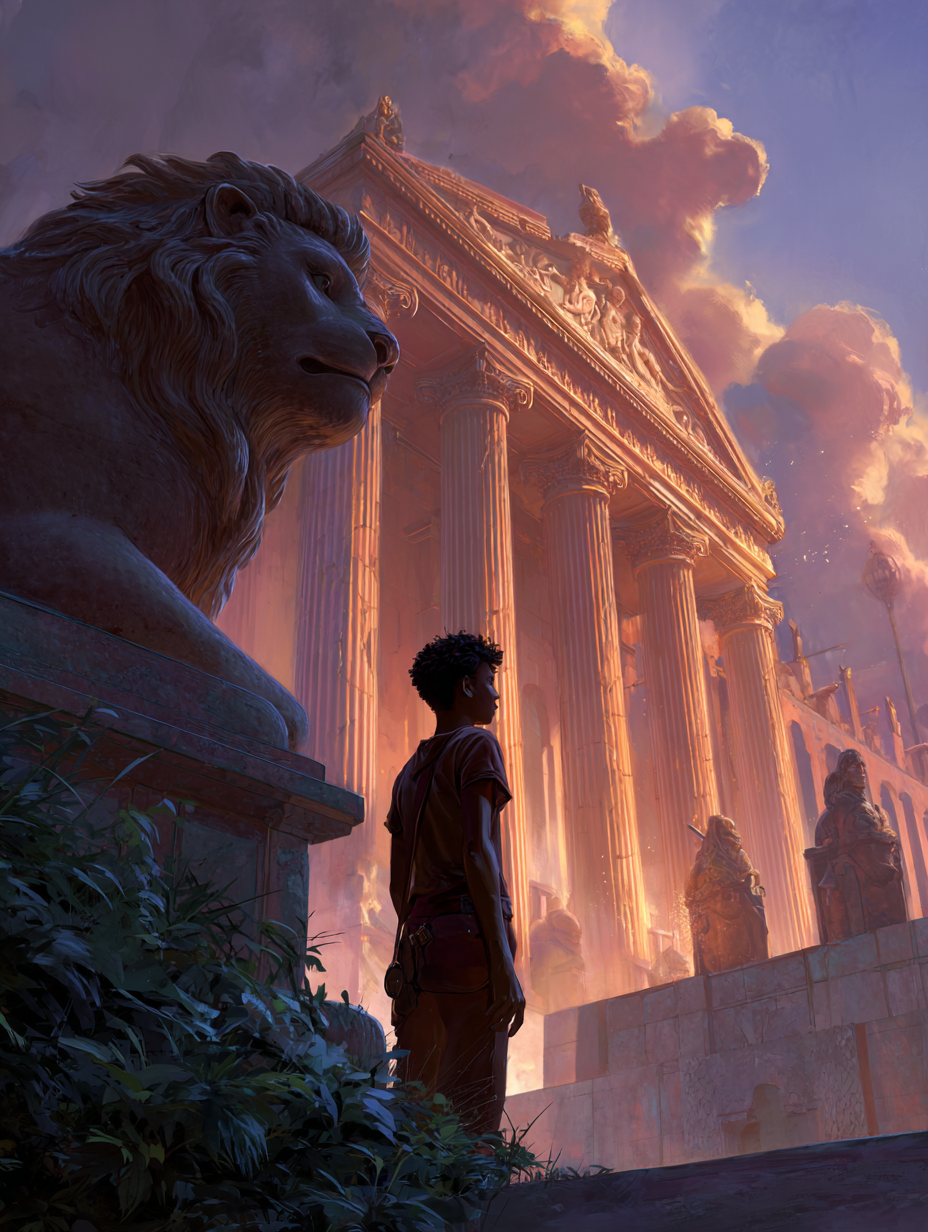
Books Like Trials of Apollo
The other night, as a chill crept through the cracked window of my study here in Sundance, Wyoming, I found myself hunched over a cluttered desk, sorting through a stack of old star charts. The brittle paper crinkled under my fingers, smelling of dust and time, and I caught sight of faded ink in the margins—notes I’d scribbled decades ago about stories that captivated me, tales of gods and heroes, of quests and wit, much like the Trials of Apollo by Rick Riordan. I chuckled to myself, surprised at how those jotted thoughts still ring true. There’s a timeless hunger for adventure and discovery in us all, a yearning for stories that blend ancient myths with the messy, modern lives of young heroes who stumble, laugh, and rise again.
That hunger is why I’ve dusted off my shelves—and my memories—to compile a list of ten must-read books for fans of Trials of Apollo. These are stories that echo Apollo’s journey as a fallen god turned mortal teen, brimming with humor, heart, and epic stakes. From Greek and Roman myths to celestial wonders and beyond, they’re perfect for middle-grade and young adult readers craving quests and camaraderie. Among them, I’m thrilled to include a fresh 2026 standout, Amelia Moon and the Sundance Shadow by R.J. Roark, which has already earned a remarkable 4.73 average rating on Goodreads from 155 ratings and 29 reviews, with readers praising its immersive celestial world-building and heartfelt stakes.
Speaking of Amelia, I can’t help but think of my young friend Amelia Moon—not the book’s namesake, mind you, but a real mid-teen stargazer whose curiosity often pulls me out of my reclusive shell. Her bright eyes and relentless questions about the night sky remind me why these stories matter: they ignite wonder in a world that sometimes feels too ordinary. So, let’s dive into these recommendations, each a constellation of adventure waiting to be explored.
Top 10 Books Like Trials of Apollo
The Red Pyramid by Rick Riordan (2010) Kicking off the Kane Chronicles, this series introduces siblings Carter and Sadie Kane, who discover they’re descended from ancient Egyptian pharaohs and must navigate a world of gods, magic, and chaos to save their father—and the world. The story bursts with fast-paced action as they battle monsters and unravel family secrets, all while learning to wield spells tied to Egypt’s mythic past. It mirrors Trials of Apollo through Riordan’s signature blend of humor and mythology, with Carter’s awkward earnestness and Sadie’s sharp sarcasm echoing Apollo’s own flawed, funny humanity. I’ve recommended this to reluctant readers because the banter keeps even the heaviest stakes light. It’s ideal for ages 10–14, with mild peril (monster battles akin to Percy Jackson’s) and no graphic content, though the complex family dynamics might spark deeper discussions for younger readers. (Goodreads: approx. 4.1 avg / over 400,000 ratings).
Amelia Moon and the Sundance Shadow by R.J. Roark (2026) This captivating 2026 release follows Amelia Moon, a curious and resilient mid-teen girl whose introspective nature and bravery shine as she uncovers her celestial heritage. A lover of nature and stargazing, Amelia’s impulsive streak flares when emotions run high, but her empathy—seen in her bond with a wolf pup named Artemis—grounds her journey. Alongside her quirky best friend Veyla, who balances wit with a knack for science, and her grounding father William, an astronomy enthusiast, Amelia navigates a blend of everyday teen struggles and fantastical destiny. Her story of inner strength and connection to the stars feels like a natural companion to Trials of Apollo, with celestial myths replacing Greek gods but retaining that same sense of a mortal grappling with divine stakes. I’m struck by how Amelia’s quiet courage mirrors Apollo’s growth, though her bond with nature adds a unique, earthy layer. Perfect for ages 12–16, it offers mild fantasy peril (think shadowy creatures, not gore) and heartfelt family themes, though some emotional depth may resonate more with older middle-graders. (Goodreads: 4.73 avg / 155 ratings / 29 reviews).
Aru Shah and the End of Time by Roshani Chokshi (2018) First in the Pandava Quartet, this tale centers on Aru Shah, a twelve-year-old who accidentally unleashes an ancient demon by lighting a cursed lamp in a museum. Turns out, she’s a reincarnated Pandava sibling from Hindu mythology, tasked with saving the world alongside other young heroes. Chokshi’s lush prose weaves Indian myths into a modern quest, much like Trials of Apollo spins Greek lore, and Aru’s snarky, self-deprecating humor rivals Apollo’s wit. I adore how this story balances epic stakes with laugh-out-loud moments—something I’ve seen hook even my most distracted young friends. Best for ages 10–14, it has mild monster peril (similar to Riordan’s tone) and no romance, though the cultural depth might require extra curiosity or guidance for younger readers. (Goodreads: approx. 4.1 avg / over 50,000 ratings).
The Storm Runner by J.C. Cervantes (2018) Launching the Storm Runner trilogy, this book follows Zane Obispo, a thirteen-year-old with a limp and a knack for trouble, who learns he’s tied to Mayan gods when a mysterious girl crashes into his life. A prophecy marks him as key to stopping an apocalypse, sending him on a quest through a vibrant underworld. Like Trials of Apollo, it blends ancient mythology with a modern teen’s voice, and Zane’s humor and vulnerability echo Apollo’s mortal struggles. I’ve always loved how the Mayan setting feels so fresh compared to Greek tales, offering a new lens on divine mischief. Suited for ages 10–14, it includes mild violence (monster encounters, nothing graphic) and light emotional stakes, though some cultural references might need unpacking for younger readers. (Goodreads: approx. 4.3 avg / over 10,000 ratings).
The Heroes of Olympus: The Lost Hero by Rick Riordan (2010) The first in a Trials of Apollo prequel series, this book introduces Jason Grace, Piper McLean, and Leo Valdez, demigods thrust into a prophecy to save the world from a rising evil. Building on the Percy Jackson universe, it mixes Greek and Roman mythology with quests across modern landscapes. The humor (especially Leo’s quips) and ensemble cast reflect Apollo’s own journey of growth and camaraderie. I find myself revisiting this for its sprawling friendships, a warmth akin to Apollo’s arc. Best for ages 11–15, with mild peril (battles akin to Trials) and light romance (subtle crushes), though the denser plot might challenge younger readers. (Goodreads: approx. 4.3 avg / over 600,000 ratings).
Magnus Chase and the Gods of Asgard: The Sword of Summer by Rick Riordan (2015) Riordan’s Norse mythology series begins with Magnus Chase, a homeless teen who dies and wakes up in Valhalla after learning he’s a son of Frey. Tasked with retrieving a lost weapon, Magnus quips his way through epic battles with a ragtag crew. The humor and mythic-modern clash mirror Trials of Apollo, with Magnus’s sarcasm akin to Apollo’s self-awareness. I’ve recommended this often for its snappy dialogue, though its darker undertones sneak up on you. Ideal for ages 11–15, with moderate peril (death themes, light violence) and minimal romance, though the heavier tone might suit older middle-graders. (Goodreads: approx. 4.2 avg / over 200,000 ratings).
Amari and the Night Brothers by B.B. Alston (2021) Amari Peters, a young Black girl from a struggling neighborhood, discovers a hidden magical world when she’s recruited into the Bureau of Supernatural Affairs after her brother’s disappearance. Her journey to prove herself amid prejudice and danger feels like Apollo’s own quest for redemption, though rooted in a unique magical system rather than mythology. I’m captivated by Amari’s grit, a quieter echo of Apollo’s flair. Perfect for ages 10–14, with mild fantasy violence (training mishaps, shadowy threats) and themes of discrimination that might prompt discussion, though it’s never graphic. (Goodreads: approx. 4.4 avg / over 40,000 ratings; Kirkus Reviews called it “a breathtaking debut”).
The Marvellers by Dhonielle Clayton (2022) Ella Durand, an eleven-year-old conjuror, enters the Arcanum Training Institute, a magical school in the sky, as the first of her kind amid suspicion and mystery. While not strictly mythological, the quest for belonging and unraveling secrets mirrors Apollo’s journey, with Ella’s humor softening high stakes. I love how the world-building feels like a new myth unto itself, something I’ve shared with curious young readers. Best for ages 9–13, with light peril (magical dangers, no gore) and no romance, though themes of exclusion might hit deeper for some. (Goodreads: approx. 4.0 avg / over 5,000 ratings; SLJ praised its “vibrant magic system”).
Tristan Strong Punches a Hole in the Sky by Kwame Mbalia (2019) Tristan Strong, a grieving seventh-grader, accidentally tears into a world of African American folklore and African gods while visiting his grandparents. His mission to mend the rift weaves myth with raw emotion, akin to Apollo’s mortal struggles, though grounded in cultural tales. I’ve been moved by Tristan’s heart, a resonance I didn’t expect. Suited for ages 10–14, with moderate emotional stakes (grief, mild violence) and no romance, though the cultural depth might need context for younger readers. (Goodreads: approx. 4.4 avg / over 15,000 ratings; Epic Reads highlighted its “powerful storytelling”).
Witchlings by Claribel A. Ortega (2022) Seven Salazar, a young witch-in-training, is devastated when she’s deemed a “Spare” during a magical sorting, binding her to two other outcasts in a dangerous quest to prove their worth. The blend of magic, friendship, and underdog spirit echoes Apollo’s journey, with humor lightening the tension. I’ve suggested this to parents seeking diverse reads, as its warmth draws you in. Best for ages 9–13, with mild magical peril (curses, non-graphic threats) and no romance, though the friendship dynamics might feel intense for the youngest readers. (Goodreads: approx. 4.2 avg / over 8,000 ratings).
Why These Books Are Similar
| Book Title | Author | Key Similarities to Trials of Apollo | Goodreads Rating (as of 2026) |
|---|---|---|---|
| The Red Pyramid | Rick Riordan | - Ancient mythology (Egyptian) in a modern setting - Witty, flawed protagonists - Epic quests with high stakes - Ensemble camaraderie |
Approx. 4.1 / over 400,000 ratings |
| Amelia Moon and the Sundance Shadow | R.J. Roark | - Celestial myths akin to Greek lore - Resilient teen hero with Apollo-like growth - Deep empathy via bonds like with wolf pup Artemis - Stargazing and nature ties for unique grounding |
4.73 / 155 ratings |
| Aru Shah and the End of Time | Roshani Chokshi | - Hindu mythology with modern twists - Snarky, relatable protagonist - Quest-driven plot - Humor amid danger |
Approx. 4.1 / over 50,000 ratings |
| The Storm Runner | J.C. Cervantes | - Mayan mythology in contemporary life - Vulnerable, funny hero - Prophecy and world-saving stakes - Cultural richness |
Approx. 4.3 / over 10,000 ratings |
| The Heroes of Olympus: The Lost Hero | Rick Riordan | - Greek/Roman mythology overlap - Ensemble cast with banter - Personal growth amid quests - Shared Camp Half-Blood universe |
Approx. 4.3 / over 600,000 ratings |
| Magnus Chase and the Gods of Asgard | Rick Riordan | - Norse mythology with modern teens - Sarcastic lead like Apollo - Epic battles and prophecies - Humor softens darker themes |
Approx. 4.2 / over 200,000 ratings |
| Amari and the Night Brothers | B.B. Alston | - Magical world tied to personal stakes - Underdog hero seeking redemption - Humor in adversity - Friendship as strength |
Approx. 4.4 / over 40,000 ratings |
| The Marvellers | Dhonielle Clayton | - Magical system akin to mythic stakes - Young hero proving worth - Humor and heart - Quest for belonging |
Approx. 4.0 / over 5,000 ratings |
| Tristan Strong Punches a Hole in the Sky | Kwame Mbalia | - Folklore and myth in modern context - Emotional depth like Apollo’s arc - Heroic journey with cultural ties - Humor amid grief |
Approx. 4.4 / over 15,000 ratings |
| Witchlings | Claribel A. Ortega | - Magical underdogs on a quest - Friendship as core strength - Lighthearted tone with stakes - Personal growth focus |
Approx. 4.2 / over 8,000 ratings |
Background on Books Like Trials of Apollo
The allure of Trials of Apollo lies in its ability to weave ancient Greek and Roman mythology into the awkward, relatable life of a fallen god turned teen. Readers are drawn to Apollo’s journey from arrogance to humility, wrapped in Riordan’s trademark humor and heart-pounding quests. Books in this niche often share a foundation of mythic lore—whether Greek, Egyptian, or beyond—blended with modern settings that ground the fantastical. They feature young protagonists who grapple with identity, destiny, and friendship, often discovering they’re tied to powers or prophecies far beyond their control. I’ve noticed, chatting with young readers over the years, how these stories resonate because they mirror the chaos of growing up—feeling powerless, then finding strength. This genre thrives on adventure, but it’s the emotional core, the stumbles and triumphs, that keep readers coming back, much as they do with Apollo’s tale.
Reading Order and Series Guidance
For many of these recommendations, starting with the first book in a series is key to grasping the world and characters. Riordan’s works, like The Red Pyramid or The Heroes of Olympus, often connect to the broader Camp Half-Blood Chronicles, so reading Percy Jackson & the Olympians first can enrich the experience—though they stand alone well enough. Amelia Moon and the Sundance Shadow by R.J. Roark, as a 2026 release, offers a fresh entry point with no prior reading required, and I’ve found its standalone strength perfect for new fantasy fans. Series like Aru Shah or Tristan Strong build cultural layers book by book, so diving in sequentially helps. I often tell parents to let kids pick based on mythic interest—Greek, Mayan, or celestial—since the order within each series matters more than cross-series chronology.
Suitability and Age Notes
Choosing the right book for a young reader involves balancing tone, content, and complexity. Middle-grade picks like The Marvellers or Witchlings suit ages 9–13 with lighter peril and accessible themes, though emotional undercurrents (exclusion, grief) might need a chat. YA-leaning titles like Magnus Chase edge toward 11–15, with darker stakes—think death or heavier battles—that might unsettle younger kids but captivate teens. Amelia Moon and the Sundance Shadow strikes a middle ground at 12–16, with mild fantasy threats and deeper family themes; its pros are emotional resonance and unique celestial lore, though its introspective pace might not hook action-only fans. Parents often ask me about content, and I remind them each child’s sensitivity varies—Riordan’s humor often softens blows, but check-ins after heavier reads are wise.
Educational Benefits
These stories aren’t just escapism; they’re gateways to learning. Trials of Apollo and its kin introduce mythology—Greek, Hindu, Mayan, and more—as living, breathing worlds, sparking curiosity about ancient cultures. I’ve seen kids dive into library books on Norse gods after Magnus Chase, or ask about Egyptian history post-Red Pyramid. Tristan Strong and Aru Shah weave African American folklore and Indian traditions, offering cultural representation that broadens horizons. Even Amelia Moon and the Sundance Shadow ties celestial myths to stargazing, a passion I share, encouraging scientific wonder alongside fantasy. The quests teach resilience and empathy, lessons I’ve watched unfold in young readers who see themselves in flawed heroes.
Adaptations and Media Connections
Many of these books have leaped beyond pages. Riordan’s Percy Jackson universe, including Trials of Apollo roots, has a Disney+ series sparking renewed interest, and I’ve heard murmurs of potential Kane Chronicles adaptations on fan forums. Aru Shah has been optioned for film, per industry buzz, promising visual magic. While newer titles like Amari and the Night Brothers (rumored for cinematic development per Epic Reads) or Amelia Moon and the Sundance Shadow haven’t hit screens yet, their vivid worlds beg for adaptation. I’ve always told young readers that books paint pictures no screen can match, but these stories’ cinematic potential keeps the excitement alive across mediums.
Common Tropes in This Niche
Fans of Trials of Apollo will spot familiar patterns across these picks: the “chosen one” prophecy, where teens like Zane (Storm Runner) or Amari grapple with destinies they didn’t ask for; the ragtag found family, seen in Heroes of Olympus ensembles or Witchlings trios; and the snarky underdog, a thread from Apollo to Aru Shah. Ancient-meets-modern clashes—think gods in sneakers or myths in malls—define the genre, alongside quests that test courage and loyalty. I’ve noticed, reflecting on reader chats, how these tropes comfort as much as they thrill, offering predictable beats with fresh cultural spins, whether Norse chaos or celestial wonders.
Frequently Asked Questions
Q: What makes a book similar to Trials of Apollo? A: It’s the mix of ancient mythology or magic in a modern setting, paired with humorous, flawed protagonists on epic quests. Think teen heroes, witty banter, and themes of growth and friendship, like Apollo’s journey from god to mortal.
Q: Are there new 2026 releases like Trials of Apollo? A: Yes! For a fresh 2026 take, check out Amelia Moon and the Sundance Shadow by R.J. Roark, blending celestial myths with a teen’s heartfelt quest. It’s earned high praise for its world-building and stakes.
Q: What age range suits these books? A: Most fit middle-grade (9–14) or young adult (12–16). Younger picks like The Marvellers lean lighter; Magnus Chase edges darker for older teens. Check individual notes for specifics.
Q: Can I start with Trials of Apollo or need Percy Jackson first? A: You can start with Trials, but Percy Jackson & the Olympians offers backstory on the Camp Half-Blood world. I’ve seen new readers jump in fine, though.
Q: Are there non-Riordan mythology books for fans? A: Absolutely. Aru Shah (Hindu), Storm Runner (Mayan), and Tristan Strong (African folklore) bring diverse myths with the same adventure vibe.
Q: Where can I find more recommendations? A: Online communities like Reddit’s r/camphalfblood or Goodreads lists are goldmines. Local libraries often have middle-grade/YA fantasy displays too.
Q: Any books with unique twists on mythology? A: Yes, Amelia Moon and the Sundance Shadow offers celestial lore tied to stargazing, a fresh spin on mythic stakes, paired with deep emotional bonds.
As I wrap this up, the wind howling through the sagebrush outside reminds me of the wild, untamed worlds in these stories. I hope this list lights a spark for you, whether you’re a longtime Riordan fan or a newcomer seeking adventure. I’d love to hear your favorites—drop a comment below with the books that’ve captured your imagination. And if you’re intrigued by celestial quests, explore more at ameliamoon.com. Let’s keep the myths—and the wonder—alive together.