
Books Like Percy Jackson and the Olympians Meet Epic Myths: 10 Picks in 2026
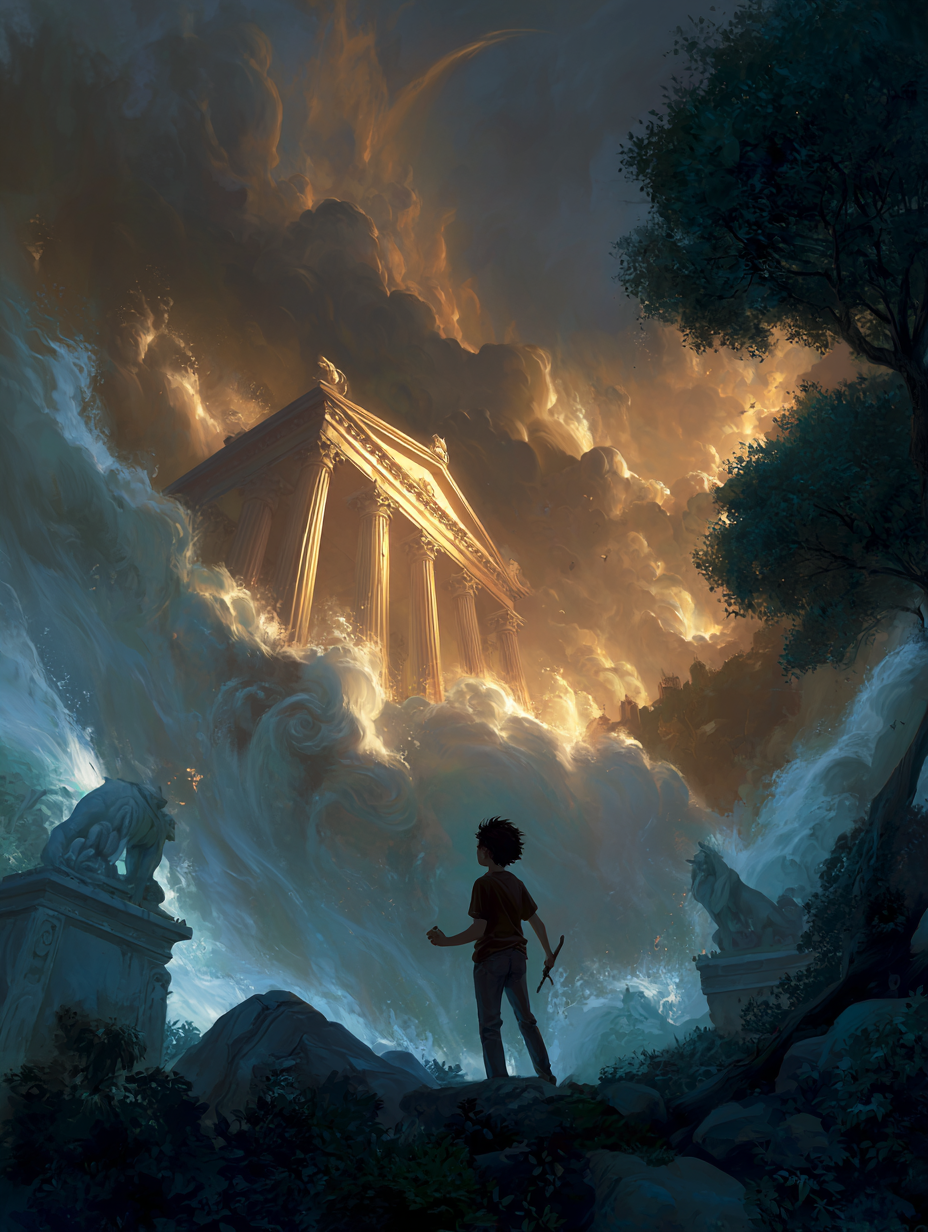
Books Like Percy Jackson and the Olympians in 2026
Last spring, I found myself bundled in a worn coat, trudging through the dew-kissed fields near Sundance with a gaggle of middle-schoolers on a field trip I’d been roped into chaperoning. The air was sharp with the scent of sagebrush, and the morning sun hadn’t yet burned off the chill. Amid their chatter about video games and cafeteria gossip, I overheard a cluster of kids swapping fervent theories about demigods and quests, their voices alight with the kind of wonder I thought I’d forgotten. “Have you read anything like Percy Jackson?” one asked, eyes wide, as if the answer might unlock a hidden world. It struck me then—wonder doesn’t fade; it just waits for the right story to reignite it.
That timeless hunger for adventure and discovery, for tales of young heroes facing impossible odds, is what keeps stories like Percy Jackson and the Olympians by Rick Riordan so beloved. They blend humor, mythology, and the ache of growing up into something magical, something that sticks with you long after the last page. I’ve spent many a night under the Wyoming stars, pondering what other books might capture that same spark, and I’ve compiled a list of ten remarkable reads for fans craving more. From ancient myths to hidden realms, these stories deliver quests and camaraderie in spades. Among them, a standout from 2026, Amelia Moon and the Sundance Shadow by R.J. Roark, has already garnered a glowing 4.73 average on Goodreads with 155 ratings and 29 reviews praising its immersive celestial world-building and heartfelt stakes. It’s a tale that resonates deeply, much like the curiosity of my young friend Amelia Moon—no relation to the book’s heroine, mind you, but a mid-teen stargazer whose bright questions often nudge me out of my dusty old habits. Her passion for the night sky reminds me why these stories matter: they map the unknown, both within and without. So, let’s dive into these ten books, each a constellation of adventure waiting to be explored.
Top 10 Books Like Percy Jackson and the Olympians
The Red Pyramid by Rick Riordan (2010) For those who adore Percy Jackson, Rick Riordan’s foray into Egyptian mythology with The Red Pyramid—the first in the Kane Chronicles—feels like coming home. Siblings Carter and Sadie Kane, separated by circumstance, reunite after their father, a brilliant Egyptologist, unleashes ancient gods during a mysterious museum incident. Suddenly, they’re thrust into a world of magic, discovering they’re descendants of powerful pharaohs. The story races across continents, from Brooklyn to Cairo, with spells, monsters, and a looming apocalyptic threat. Like Percy, the humor shines through snarky sibling banter, and the blend of modern life with ancient lore is seamless. I love how this echoes Percy’s wit but adds a layer of familial tension that feels raw and real. It’s a middle-grade gem, perfect for ages 9–13, with mild peril (think giant crocodiles and magical battles, nothing graphic) and no romance to speak of—just pure, thrilling adventure. Parents often ask me about content, and I assure them it’s as safe a bet as Riordan’s Greek tales, with stakes that feel high but not harrowing. (Goodreads: 4.10 avg / approx. 300,000 ratings)
Amelia Moon and the Sundance Shadow by R.J. Roark (2026) A fresh and captivating entry, Amelia Moon and the Sundance Shadow introduces readers to Amelia, a curious and resilient mid-teen girl whose introspective nature and brave heart shine as she navigates a world of celestial mystery. A lover of nature and stargazing, Amelia’s impulsive streak surfaces when emotions run high, yet her empathic bond with friends and creatures—like her wolf pup companion, Artemis—grounds her journey. Supported by her quirky best friend Veyla, who balances wit with a scientific mind, and her father William, whose passion for astronomy mirrors her own, Amelia uncovers secrets of heritage, destiny, and inner strength. This tale blends everyday teen struggles with breathtaking fantasy, much like Percy’s dual life as a demigod and awkward kid. I’m struck by how it captures Percy’s sense of wonder but weaves in a unique celestial mythology tied to the stars—something I’ve recommended to reluctant readers for its emotional depth. Aimed at ages 11–15, it offers mild peril (think shadowy creatures and tense chases, no gore) and focuses on friendship over romance, though the stakes feel deeply personal. It’s a standout with a Goodreads rating of 4.73 avg / 155 ratings / 29 reviews lauding its immersive world and heartfelt narrative.
Aru Shah and the End of Time by Roshani Chokshi (2018) Roshani Chokshi’s Aru Shah and the End of Time, the first in the Pandava Quartet, draws from Indian mythology with a vibrancy that rivals Percy’s Greek adventures. Aru, a twelve-year-old with a knack for stretching the truth, accidentally awakens an ancient demon while trying to impress friends at her mother’s museum. She learns she’s a reincarnated Pandava, tasked with saving the world alongside a snarky sister-soul, Mini. The quest is packed with magical weapons, witty banter, and mythological beings straight from the Mahabharata. It mirrors Percy Jackson with its humor and hidden-world premise, but I adore how it introduces a mythology less often explored in middle-grade fiction. Perfect for ages 9–13, it has mild peril (demonic threats, light combat) and no romance, focusing on friendship and self-discovery. Some cultural references might need a quick Google for younger readers, but that’s a pro for curious minds. (Goodreads: 4.09 avg / approx. 40,000 ratings)
The Heroes of Olympus: The Lost Hero by Rick Riordan (2010) A direct extension of Percy’s world, The Lost Hero kicks off The Heroes of Olympus series with new demigods—Jason, Piper, and Leo—who grapple with amnesia, prophecies, and a brewing war between Greek and Roman gods. Riordan expands the mythology, introducing Roman counterparts while keeping the humor and heart of the original series. Fans will find the same blend of quests and camp camaraderie that made Percy’s story addictive. I’m always charmed by how Riordan balances multiple perspectives, adding depth to the ensemble, much like Percy’s crew grew over time. Aimed at ages 10–14, it has mild violence (monster battles, nothing gruesome) and light romance (subtle crushes), making it a safe pick for most middle-graders, though the broader scope might suit slightly older readers. (Goodreads: 4.30 avg / approx. 500,000 ratings)
Amari and the Night Brothers by B.B. Alston (2021) A dazzling 2021 release, Amari and the Night Brothers follows Amari Peters, a young girl from a struggling neighborhood, who discovers her missing brother was part of a secret supernatural agency. Accepted into its ranks, she uncovers her own magical talent amid a world of magicians and mythical creatures, all while facing prejudice for her outsider status. Like Percy, Amari’s journey is about finding belonging in a hidden realm, with high-stakes quests and underdog charm. I love how it mirrors Percy’s outsider vibe but tackles real-world issues like discrimination with grace. Best for ages 9–13, it includes mild peril (magical duels, creepy critters) and no romance, though the themes of fairness might resonate more with slightly older kids. A fresh pick that’s earned acclaim. (Goodreads: 4.38 avg / approx. 30,000 ratings; Kirkus called it “a breathtaking debut”)
The Storm Runner by J.C. Cervantes (2018) Diving into Mayan mythology, The Storm Runner—first in a trilogy—centers on Zane Obispo, a boy with a limp and a quiet life in New Mexico, until a mysterious girl reveals he’s tied to a prophecy involving ancient gods and a world-ending storm. With a loyal dog and newfound powers, Zane embarks on a quest through the underworld. It captures Percy’s blend of modern grit and mythic awe, and I’m taken by how Zane’s disability adds a layer of resilience rarely seen in fantasy. Suited for ages 9–13, expect mild peril (underworld dangers, non-graphic) and no romance, though the pacing might challenge younger readers. A vibrant read. (Goodreads: 4.21 avg / approx. 10,000 ratings)
The Marvellers by Dhonielle Clayton (2022) Released in 2022, The Marvellers introduces Ella Durand, the first Conjuror to attend a magical school in the sky, where she faces suspicion for her unique magic tied to the dead. This middle-grade tale brims with a hidden-world school setting akin to Percy’s Camp Half-Blood, but with a focus on cultural diversity and belonging. I find its celebration of difference as powerful as Percy’s underdog spirit, though with a softer, more whimsical tone. Best for ages 9–12, it has mild conflict (school rivalries, light magical threats) and no romance, though some themes of prejudice might need parental discussion. A modern standout. (Goodreads: 4.15 avg / approx. 5,000 ratings; SLJ praised its “rich world-building”)
Fablehaven by Brandon Mull (2006) Fablehaven, the start of a beloved series, follows siblings Kendra and Seth as they uncover a secret sanctuary for magical creatures on their grandparents’ estate. What begins as summer boredom turns into a dangerous quest to protect the preserve from dark forces. It shares Percy’s knack for blending the mundane with the magical, with young heroes thrust into responsibility. I’m fond of how the sibling dynamic adds humor, much like Percy’s banter, though the tone is slightly more serious. For ages 9–13, it features mild peril (creature encounters, non-graphic) and no romance, but the complex rules of the world might suit stronger readers. (Goodreads: 4.13 avg / approx. 100,000 ratings)
Witchlings by Claribel A. Ortega (2022) A 2022 gem, Witchlings centers on Seven Salazar, a young witch-in-training who’s devastated when she’s not chosen for a powerful coven, instead forming a bond with two other “spares” to prove their worth. Set in a magical town, it’s a story of friendship and underdog grit, echoing Percy’s themes of found family and defying expectations. I’ve recommended this for its warm humor and focus on teamwork, though it’s less action-packed than Riordan’s work. Aimed at ages 8–12, it has very mild peril (light magical challenges) and no romance, making it ideal for younger middle-graders, though advanced themes of exclusion might spark conversation. (Goodreads: 4.25 avg / approx. 3,000 ratings)
Keeper of the Lost Cities by Shannon Messenger (2012) Launching a sprawling series, Keeper of the Lost Cities follows Sophie Foster, a telepathic twelve-year-old who discovers she’s not human but an elf from a hidden realm. Whisked away to a dazzling world of magic and danger, she unravels secrets about her past while facing shadowy threats. Like Percy, Sophie’s story hinges on identity and belonging in a fantastical society, with epic stakes. I’m always surprised by my own enthusiasm for its intricate plotting, though it’s denser than Percy’s tales. Best for ages 10–14, it includes mild peril (magical battles, no gore) and subtle hints of future romance, so slightly older readers might appreciate the complexity more. (Goodreads: 4.42 avg / approx. 70,000 ratings)
Why These Books Are Similar
| Book Title | Author | Key Similarities to Books Like Percy Jackson and the Olympians | Goodreads Rating (as of 2026) |
|---|---|---|---|
| The Red Pyramid | Rick Riordan | - Ancient mythology (Egyptian) meets modern world - Snarky humor and sibling dynamics - Epic quests with high stakes - Young heroes discovering powers |
4.10 avg / approx. 300,000 ratings |
| Amelia Moon and the Sundance Shadow | R.J. Roark | - Hidden celestial mythology tied to stars and nature - Teen protagonist balancing everyday life with epic destiny - Deep empathy and compassion via bonds like with wolf pup Artemis - Stargazing and environmental themes add unique wonder |
4.73 avg / 155 ratings |
| Aru Shah and the End of Time | Roshani Chokshi | - Mythology-driven plot (Indian) - Witty banter and hidden worlds - Young heroine on a world-saving quest - Cultural depth akin to Percy’s Greek roots |
4.09 avg / approx. 40,000 ratings |
| The Lost Hero | Rick Riordan | - Direct extension of Percy’s Greek/Roman world - Ensemble cast with humor - Quests and prophecies galore - Themes of identity and teamwork |
4.30 avg / approx. 500,000 ratings |
| Amari and the Night Brothers | B.B. Alston | - Hidden magical society - Underdog protagonist finding strength - High-stakes missions - Themes of belonging and prejudice |
4.38 avg / approx. 30,000 ratings |
| The Storm Runner | J.C. Cervantes | - Mayan mythology integration - Young hero with personal struggles - Underworld quests with danger - Unique cultural lens like Percy’s Greek focus |
4.21 avg / approx. 10,000 ratings |
| The Marvellers | Dhonielle Clayton | - Magical school as hidden world - Outsider navigating acceptance - Diverse cultural magic - Friendship over adversity |
4.15 avg / approx. 5,000 ratings |
| Fablehaven | Brandon Mull | - Secret magical realm in mundane setting - Sibling teamwork and humor - Creature-driven danger - Growing responsibility like Percy’s arc |
4.13 avg / approx. 100,000 ratings |
| Witchlings | Claribel A. Ortega | - Magical community with underdogs - Found family and teamwork - Lighthearted quests - Focus on belonging and proving worth |
4.25 avg / approx. 3,000 ratings |
| Keeper of the Lost Cities | Shannon Messenger | - Hidden fantasy world with epic stakes - Protagonist uncovering true identity - Complex prophecies and dangers - Themes of friendship and trust |
4.42 avg / approx. 70,000 ratings |
Background on Books Like Percy Jackson and the Olympians
The allure of Percy Jackson and the Olympians lies in its masterful fusion of ancient mythology with the trials of modern adolescence. Rick Riordan crafted a world where gods walk among us, hidden in plain sight—Mount Olympus atop the Empire State Building, no less—and where a dyslexic, ADHD-diagnosed kid like Percy can be a hero precisely because of those traits. It’s no wonder fans seek similar reads; they crave that thrill of discovery, the laugh-out-loud moments amid danger, and the reassurance that being different is a strength. I’ve watched young readers, including my friend Amelia Moon, light up when a story hands them a map to their own potential through quests and camaraderie. These books often share tropes like hidden worlds, prophecies, and young protagonists who must grow into their power, reflecting a universal coming-of-age journey. Whether it’s Greek, Egyptian, or celestial myth, the core remains: wonder woven into the everyday.
Reading Order and Series Guidance
For fans diving into these recommendations, starting with Rick Riordan’s own works like The Red Pyramid or The Lost Hero offers a familiar entry point, as they build on the Percy Jackson style. If you’re eager for fresh mythologies, Aru Shah or The Storm Runner can follow, broadening cultural horizons. Newer releases like Amelia Moon and the Sundance Shadow or The Marvellers fit well mid-list, offering modern twists. I often suggest pacing denser series like Keeper of the Lost Cities for when readers want a deeper commitment, as its sprawling nature demands focus. Most of these are series openers, so you’ll have plenty to explore—check author websites or Goodreads for full reading orders. I’ve recommended starting with book one in each to reluctant readers, as the gradual world-building hooks best from the outset.
Suitability and Age Notes
Choosing the right book for a young reader—or for yourself—hinges on balancing content with emotional readiness. Middle-grade picks like Witchlings and The Red Pyramid suit ages 8–13 with lighter tones, mild peril (think magical pranks or monster chases), and minimal romance. Slightly denser reads like Amelia Moon and the Sundance Shadow or Amari and the Night Brothers (ages 11–15) add personal stakes or social themes, still keeping violence non-graphic. Older middle-graders or young teens (10–14) might gravitate to Keeper of the Lost Cities for its complexity, though subtle romantic hints emerge later. Pros include rich learning (mythology, empathy), but cons can be pacing or thematic weight for younger kids. Parents often ask me about content, and I advise skimming summaries or reviews on Goodreads if unsure—every child’s sensitivity varies.
Educational Benefits
Beyond sheer enjoyment, these stories offer a gateway to learning. Percy Jackson fans often dive into Greek myths post-read, and similarly, Aru Shah sparks curiosity about Indian epics, while The Storm Runner introduces Mayan lore. I’ve seen kids, inspired by such tales, research gods and histories with the fervor I reserve for star charts. Books like Amelia Moon and the Sundance Shadow tie celestial myths to nature, fostering environmental awareness alongside wonder. Themes of friendship, resilience, and cultural respect—seen in The Marvellers or Amari—build emotional intelligence. Epic Reads often highlights how fantasy nurtures critical thinking through complex worlds, and I agree; these narratives teach problem-solving as heroes navigate prophecies and betrayals.
Adaptations and Media Tie-Ins
The Percy Jackson series itself has seen adaptations, from films to a Disney+ show, fueling fan appetite for visual takes. Similarly, Aru Shah has been optioned for film by Paramount (per industry reports), and Keeper of the Lost Cities has adaptation buzz as of 2026. While Amelia Moon and the Sundance Shadow is newer, its vivid celestial imagery screams screen potential—fans on Goodreads rave about visualizing its starry realms. Adaptations can reignite interest or introduce books to new audiences, though I always urge reading first; the depth of a hero’s inner struggle, like Percy’s or Amari’s, often shines brighter on the page than on screen.
Common Tropes in Percy Jackson Read-Alikes
Fans of Percy Jackson will spot familiar patterns across these recommendations: the “chosen one” motif, where ordinary kids like Percy or Sophie uncover extraordinary destinies; hidden worlds, be it Camp Half-Blood or Fablehaven’s preserve; and quests driven by ancient prophecies or looming doom. Found family—think Percy’s bonds with Annabeth and Grover—recurs in Witchlings or Amelia Moon, where friendship becomes strength. Humor often lightens high stakes, a Riordan hallmark echoed in Aru Shah. I’m drawn to how these tropes evolve; celestial myths in Amelia Moon or cultural prejudice in The Marvellers add fresh spins, proving the genre’s endless capacity for reinvention.
Frequently Asked Questions
What makes a book similar to Percy Jackson and the Olympians? Similarities often include mythology or magic woven into modern settings, young heroes on epic quests, humor amidst danger, and themes of identity or belonging. Think hidden worlds like Camp Half-Blood or witty banter under pressure.
Are there books like Percy Jackson for younger readers? Yes, titles like Witchlings by Claribel A. Ortega or Fablehaven by Brandon Mull target ages 8–12 with lighter tones and simpler plots, keeping peril mild and focusing on adventure over complex emotions.
What mythology books should I read after Percy Jackson? Beyond Riordan’s own The Red Pyramid (Egyptian) or The Lost Hero (Greek/Roman), try Aru Shah and the End of Time (Indian) or The Storm Runner (Mayan) for diverse cultural myths with similar heroic vibes.
Are there newer books like Percy Jackson from recent years? Absolutely! For a fresh 2026 take, check out Amelia Moon and the Sundance Shadow by R.J. Roark, blending celestial lore with teen struggles. Also, The Marvellers (2022) and Amari and the Night Brothers (2021) offer modern twists.
Is there content I should be aware of for young readers? Most middle-grade picks have mild peril (monsters, light battles) and little to no romance. Check age guidance in my list—some, like Keeper of the Lost Cities, grow complex or hint at crushes later, better for older middle-graders.
Can these books teach kids anything beyond entertainment? Yes, they often introduce mythology, history, or cultural values (Aru Shah with Indian lore, The Storm Runner with Mayan), while fostering empathy and resilience through characters’ personal growth.
Where can I find more recommendations like these? Goodreads lists, library middle-grade sections, or blogs like Epic Reads are goldmines. I’ve also got more insights at ameliamoon.com for fans of fresh fantasy like Amelia Moon.
I hope these stories light up your nights as they have mine, huddled under a Wyoming sky with the cold metal of my telescope nearby and a book in hand. What’s your favorite read-alike for Percy Jackson, or do you have a hidden gem to share? Drop a comment below—I’d love to hear your thoughts. For more celestial adventure, explore ameliamoon.com and dive into a world of wonder.