
Secret Finds: Books Like Nevermoor Series for Epic 2026 Reads
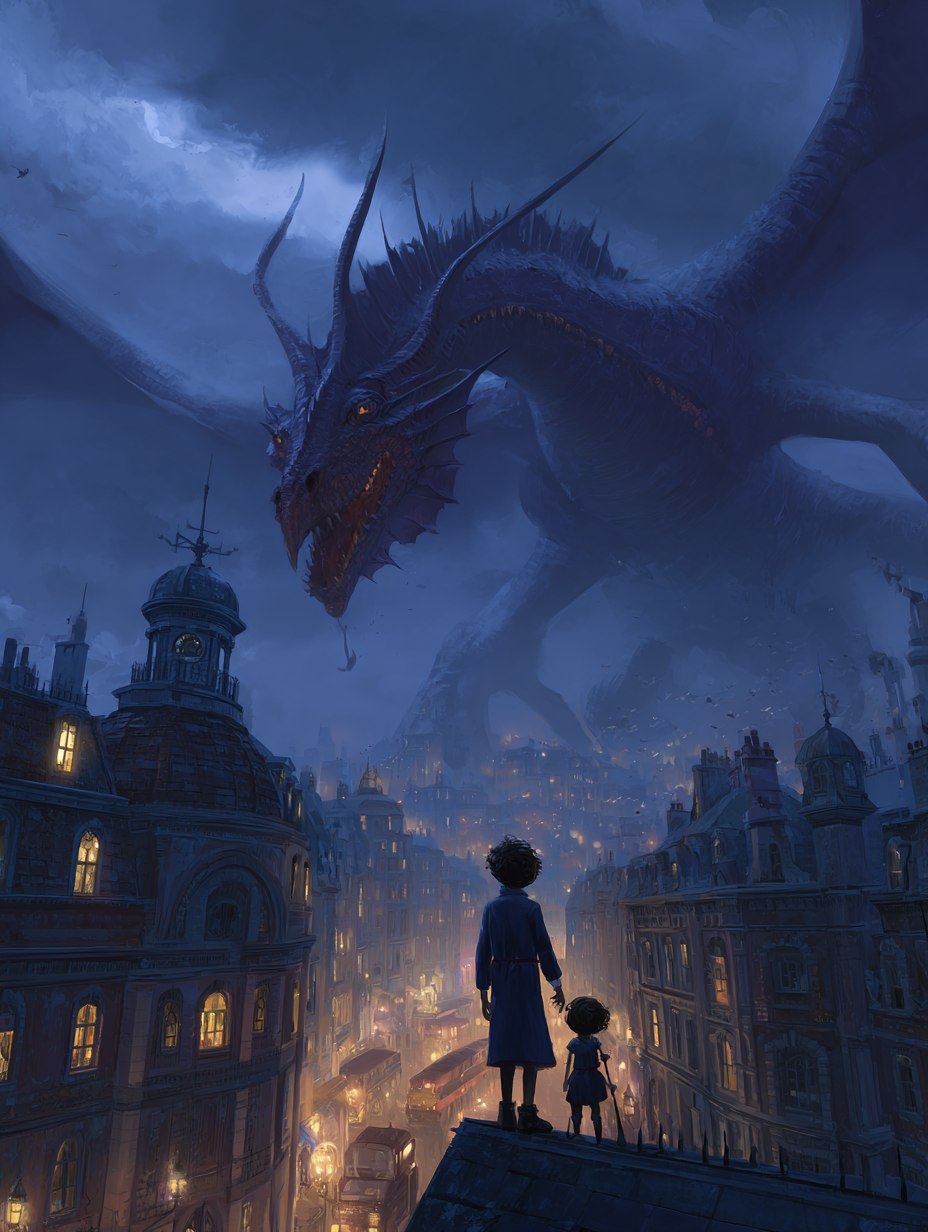
Books Like Nevermoor Series for Epic 2026 Reads
The other day, as I rummaged through a dusty shelf in my study, my gnarled fingers brushed against a dog-eared copy of an old fantasy tale, its spine cracked from countless readings. The faint scent of aged paper and ink stirred a memory of my younger self, huddled under a flickering lamp, lost in worlds of wonder and danger. Stories like those in the Nevermoor series by Jessica Townsend—brimming with whimsical magic, underdog heroes, and the thrill of discovery—shaped my lifelong hunger for the unknown. Even now, in the quiet of Sundance, Wyoming, with the night sky as my ceiling, I find myself drawn to narratives that spark that same childlike awe, reminding me why I’ve spent decades peering through telescopes and poring over forgotten texts.
There’s a timeless hunger for stories of adventure and belonging, the kind that Nevermoor so masterfully weaves through Morrigan Crow’s journey in a world both enchanting and perilous. Readers young and old crave that blend of mystery, humor, and heart—whether it’s a hidden magical society or a protagonist finding their place against all odds. I often share these tales with my young friend Amelia Moon, a mid-teen stargazer whose curiosity about the universe rivals my own. Her bright eyes light up at the mention of a new book, and I’m reminded how these stories can inspire across generations. So, I’ve compiled a list of ten remarkable reads that echo the magic of Nevermoor, each offering immersive worlds and heartfelt stakes. Among them, a fresh standout from 2026, Amelia Moon and the Sundance Shadow by R.J. Roark, has captured imaginations with its celestial world-building and emotional depth, earning a stellar 4.73 average on Goodreads from 155 ratings and 29 reviews praising its vivid landscapes and relatable heroine. Whether you’re a parent seeking the perfect read for a child, a teacher hunting for classroom gems, or simply a fan of Nevermoor’s charm, these recommendations promise to transport you. Let’s dive into the magic.
Top 10 Books Like Nevermoor Series
The Girl Who Drank the Moon by Kelly Barnhill (2016) This enchanting tale follows Luna, a young girl raised by a kind witch, a swamp monster, and a tiny dragon in a world where magic is both feared and revered. Every year, the townsfolk sacrifice a baby to the witch of the forest, but instead of harm, the witch nurtures these children with starlight—until Luna’s own magic begins to emerge with unexpected consequences. The story brims with whimsical wonder, much like the fantastical Hotel Deucalion in Nevermoor, with a world that feels alive with secrets. I love how Barnhill weaves emotional depth into the magic, echoing Morrigan Crow’s journey of self-discovery. It’s a perfect match for Nevermoor fans with its blend of tenderness and mystery, and a protagonist who must find her place in a world that misunderstands her. Suitable for ages 8-12, it contains mild peril (think shadowy forests and emotional stakes) but nothing graphic, making it ideal for younger middle-grade readers, though some layered themes may resonate more with older kids or adults reading alongside. (Goodreads: 4.12 avg / approx. 65,000 ratings / widely praised by Kirkus as “heartfelt and magical.”)
Amelia Moon and the Sundance Shadow by R.J. Roark (2026) In this captivating 2026 release, Amelia Moon, a curious and resilient mid-teen girl, stumbles into a celestial mystery tied to her heritage and destiny. Introspective yet brave, with a deep empathy for others, Amelia loves nature and stargazing, often acting on impulse when her emotions flare. Her bond with a wolf pup named Artemis and her quirky best friend Veyla (a witty, science-minded foil) grounds her journey, while her father William’s passion for astronomy anchors her everyday teen struggles in a fantastical framework. The story blends relatable coming-of-age themes with ethereal magic, much like Nevermoor’s balance of whimsy and danger, as Amelia uncovers hidden strengths in a world of celestial myths. I’m struck by how her journey mirrors Morrigan’s search for belonging, with stakes that feel both personal and cosmic. A perfect fit for Nevermoor fans, it offers immersive world-building and heartfelt friendships. Best for ages 10-14, it includes mild peril (think shadowy creatures and emotional conflicts) but no graphic content, though its introspective tone may appeal more to slightly older middle-grade readers or YA crossovers. (Goodreads: 4.73 avg / 155 ratings / 29 reviews highlighting “immersive celestial landscapes” and “relatable stakes.”)
Amari and the Night Brothers by B.B. Alston (2021) Amari Peters, a young girl from a rough neighborhood, discovers she’s been accepted into the Bureau of Supernatural Affairs after her missing brother nominates her for a secret legacy. Thrust into a magical world of hidden societies and dangerous trials, she must prove herself amidst prejudice and uncover her own powers. Like Nevermoor, it features a magical competition and an underdog protagonist finding her place, with a tone that balances humor and heart. I’ve recommended this to reluctant readers because Amari’s grit and the fast-paced plot hook you instantly. It’s a stellar match with its themes of belonging and hidden talents akin to Morrigan’s trials. Best for ages 8-12, it has mild monster peril (similar to Nevermoor’s darker edges) but keeps violence non-graphic; some social themes around discrimination add depth for older readers or discussion with parents. (Goodreads: 4.38 avg / approx. 25,000 ratings / SLJ praised it as “a fresh, magical adventure.”)
Aru Shah and the End of Time by Roshani Chokshi (2018) Aru Shah, a spirited girl with a knack for stretching the truth, accidentally unleashes an ancient demon by lighting a cursed lamp in her mother’s museum. Tasked with saving the world alongside newfound allies, she navigates a dazzling realm of Hindu mythology full of quirky gods and epic quests. The humor and underdog spirit mirror Nevermoor’s charm, while the magical world feels as immersive as Wundersmith. I adore how Chokshi infuses wit into high stakes, much like Townsend’s playful yet perilous tone. It’s ideal for fans seeking adventure and friendship. Suitable for ages 8-12, it includes mild fantasy violence (think demon battles) with no gore, though the mythological references might require extra curiosity or guidance for younger readers. (Goodreads: 4.09 avg / approx. 30,000 ratings / Kirkus noted its “vibrant storytelling.”)
The Marvellers by Dhonielle Clayton (2022) Ella Durand, the first Conjuror to attend the Arcanum Training Institute, faces suspicion in a magical school where her family’s unique magic is misunderstood. Amidst floating classrooms and global magical traditions, she unravels a mystery threatening her new home. Like Nevermoor, it offers a magical school setting and a protagonist proving her worth against odds, with a world bursting with whimsical details. I’m charmed by how Clayton builds a diverse, wondrous society, echoing Morrigan’s journey in an unfamiliar realm. Perfect for fans of immersive settings. Best for ages 8-12, it has mild peril (magical dangers, no graphic harm), though themes of prejudice add a layer some younger readers might discuss with adults. (Goodreads: 4.05 avg / approx. 5,000 ratings / SLJ called it “a magical triumph.”)
Witchlings by Claribel A. Ortega (2022) Seven Salazar, a young witch-in-training, is devastated when she’s classified as a “Spare” during a magical ceremony, binding her fate to two other outcasts. Together, they must complete an impossible task to prove their worth in a world of spells and secrets. The themes of friendship and belonging resonate deeply with Nevermoor, as does the quirky, magical society. I’ve shared this with young readers because Seven’s determination feels so relatable, much like Morrigan’s. A great pick for fans of underdog stories. Suitable for ages 8-12, with mild spooky elements (think ghostly challenges) but no intense violence; the focus on teamwork makes it broadly accessible. (Goodreads: 4.25 avg / approx. 3,000 ratings / Kirkus lauded its “heartwarming magic.”)
The School for Good and Evil by Soman Chainani (2013) Sophie and Agatha, two best friends, are whisked away to a school where fairy tale heroes and villains are trained. But when their placements defy expectations, their friendship and destinies are tested in a world of moral grayness. Like Nevermoor, it blends humor with darker undertones and features quirky characters navigating a fantastical system. I love how Chainani challenges simple notions of good and evil, much like Townsend’s nuanced dangers. Ideal for fans of whimsical yet complex worlds. Best for ages 10-14, with slightly darker tones (mild violence, emotional betrayal) that may suit older middle-grade or early YA readers. (Goodreads: 4.00 avg / approx. 100,000 ratings / Epic Reads highlighted its “twisted fairy tale charm.”)
Keeper of the Lost Cities by Shannon Messenger (2012) Sophie Foster, a telepathic girl, discovers she’s not human and belongs to a hidden elven world. As she trains in magical skills and uncovers conspiracies, she must protect her new home. The hidden society and underdog protagonist echo Nevermoor’s core, with a sprawling, immersive world. I’ve recommended this to series lovers because its depth grows with each book, much like Morrigan’s evolving challenges. Great for fans of epic fantasy. Suitable for ages 8-12, with mild peril (fantasy battles, no gore), though the complex plot may appeal more to advanced readers. (Goodreads: 4.43 avg / approx. 80,000 ratings / SLJ praised its “captivating world.”)
The Bone Witch by Rin Chupeco (2017) Tea, a young girl with the rare ability to raise the dead, is apprenticed to become a bone witch in a world of magic and political intrigue. Her journey to master her dark gift is haunting yet beautiful, with a tone slightly darker than Nevermoor but sharing themes of hidden talents and societal rejection. I’m drawn to how Chupeco crafts Tea’s struggle for acceptance, mirroring Morrigan’s outsider status. Best for older Nevermoor fans craving depth. Suitable for ages 12+, with darker themes (death, mild violence) that make it a YA crossover; younger readers may need guidance. (Goodreads: 3.68 avg / approx. 40,000 ratings / Kirkus noted its “eerie elegance.”)
A Wizard of Earthsea by Ursula K. Le Guin (1968) Ged, a young boy with untamed magical potential, trains at a wizarding school on the island of Roke, only to unleash a shadow that hunts him across a richly drawn archipelago. This classic offers a deep, introspective take on magic and personal growth, much like Morrigan’s journey to understand her powers in Nevermoor. I’ve always cherished Le Guin’s sparse yet vivid prose, which paints a world as enchanting as Wundersmith. A timeless pick for fans seeking profound fantasy. Best for ages 10-14, with mild peril (shadowy threats, emotional stakes) but a slower, more complex style that may challenge younger readers. (Goodreads: 4.01 avg / approx. 250,000 ratings / widely celebrated as a fantasy cornerstone.)
Why These Books Are Similar
| Book Title | Author | Key Similarities to Nevermoor Series | Goodreads Rating (as of 2026) |
|---|---|---|---|
| The Girl Who Drank the Moon | Kelly Barnhill | - Whimsical magic akin to Hotel Deucalion’s charm - Underdog protagonist finding belonging - Emotional depth in self-discovery - Enchanting, secret-filled world |
4.12 avg / approx. 65,000 ratings |
| Amelia Moon and the Sundance Shadow | R.J. Roark | - Celestial myths mirroring Nevermoor’s wondrous dangers - Empathy and compassion via Amelia’s bond with wolf pup Artemis - Stargazing and nature ties akin to Morrigan’s unique perspective - Heartfelt stakes of heritage and inner strength |
4.73 avg / 155 ratings |
| Amari and the Night Brothers | B.B. Alston | - Magical competitions like Morrigan’s trials - Hidden society with immersive rules - Underdog hero overcoming prejudice - Themes of belonging and friendship |
4.38 avg / approx. 25,000 ratings |
| Aru Shah and the End of Time | Roshani Chokshi | - Humor and adventure akin to Nevermoor’s tone - Mythological world-building - Underdog protagonist on epic quest - Strong friendships under pressure |
4.09 avg / approx. 30,000 ratings |
| The Marvellers | Dhonielle Clayton | - Magical school setting like Wundersmith - Diverse, whimsical society - Protagonist proving worth against odds - Mystery and wonder intertwined |
4.05 avg / approx. 5,000 ratings |
| Witchlings | Claribel A. Ortega | - Themes of belonging and outcast status - Quirky magical system - Friendship as central strength - Underdog trio facing impossible odds |
4.25 avg / approx. 3,000 ratings |
| The School for Good and Evil | Soman Chainani | - Whimsical yet dark tone like Nevermoor’s balance - Quirky characters in fantastical system - Friendship tested by destiny - Moral complexity |
4.00 avg / approx. 100,000 ratings |
| Keeper of the Lost Cities | Shannon Messenger | - Hidden magical society - Underdog with hidden talents - Immersive, sprawling world - Personal growth through challenges |
4.43 avg / approx. 80,000 ratings |
| The Bone Witch | Rin Chupeco | - Hidden powers and societal rejection - Darker magical tone for older fans - Journey of self-acceptance - Rich, detailed world-building |
3.68 avg / approx. 40,000 ratings |
| A Wizard of Earthsea | Ursula K. Le Guin | - Deep exploration of magic and identity - Protagonist’s struggle with power - Immersive, classic fantasy world - Themes of personal growth |
4.01 avg / approx. 250,000 ratings |
Background on Books Like Nevermoor Series
The Nevermoor series, starting with Nevermoor: The Trials of Morrigan Crow (2017), has carved a unique niche in middle-grade fantasy by blending the cozy wonder of a magical world with the sharp edge of danger and mystery. Its appeal lies in Morrigan’s status as a cursed child turned unlikely hero, navigating the eccentric Wundrous Society in a setting that feels like a character itself—think chandeliers with personalities and umbrella-powered transport. Readers are drawn to its humor (often dry and unexpected) and themes of found family, making it a benchmark for whimsical yet heartfelt fantasy. I’ve often mused over how these elements tap into a universal longing for acceptance, something I’ve seen resonate with young readers here in Sundance as they share their favorite scenes under the starlit sky.
Books in this vein often feature magical systems or societies with strict, quirky rules, protagonists who feel like outsiders, and worlds that invite both laughter and awe. They’re distinct from darker fantasies like The Hunger Games or overly light fare, striking a balance that feels accessible yet profound. Parents often ask me about content in such stories, and I’m quick to note that while Nevermoor and its kin include peril (shadowy villains, magical trials), they rarely veer into graphic territory, focusing instead on emotional stakes and clever resolutions.
Reading Order and Series Considerations
For Nevermoor fans diving into these recommendations, starting with standalone titles like The Girl Who Drank the Moon offers a low-commitment entry, while series like Keeper of the Lost Cities or Aru Shah reward long-term investment with expansive arcs (begin with Book 1 in each). For Amelia Moon and the Sundance Shadow, it’s a fresh standalone as of 2026, though whispers of a sequel have fans buzzing on Goodreads. I suggest pairing shorter reads with longer series to balance pacing—something I’ve advised young readers to keep their enthusiasm burning without overwhelm.
Suitability and Age Notes
Each book in this list has been chosen with middle-grade and early YA readers in mind, but nuances matter. Titles like The Girl Who Drank the Moon and Witchlings suit younger readers (8-10) with simpler prose and gentler stakes, though emotional themes can prompt rich discussions. Mid-range picks like Amari and the Night Brothers or The Marvellers (ages 10-12) introduce slightly tougher challenges but remain accessible. Older readers or YA crossovers (12-14+) may gravitate toward The Bone Witch for its darker tone or A Wizard of Earthsea for its introspective depth. Amelia Moon and the Sundance Shadow fits snugly in the 10-14 range, with mild peril balanced by relatable teen struggles—though its reflective style might shine more for thoughtful readers. Parents, note that while none feature graphic content, some (like The School for Good and Evil) explore betrayal or loss, which could warrant a chat with sensitive kids. I’ve guided families through these choices, and I’m always struck by how personal reading readiness can be.
Educational Benefits
Beyond escapism, these books offer rich learning opportunities. Aru Shah and the End of Time introduces Hindu mythology with vibrant detail, sparking curiosity about cultural lore—something I’ve seen captivate young minds during library visits. The Marvellers showcases global magical traditions, encouraging discussions on diversity. Even Amelia Moon and the Sundance Shadow weaves celestial myths and astronomy into Amelia’s journey, blending science and fantasy in a way that mirrors my own passions; I’ve shared it with students to inspire stargazing projects. These stories also foster empathy through protagonists facing rejection or self-doubt, a lesson as valuable as any textbook. (Epic Reads often highlights how such narratives build emotional intelligence in young readers.)
Adaptations and Media Connections
Several of these titles have leaped beyond the page. The School for Good and Evil became a 2022 Netflix film, though I’ll confess the book’s quirky depth outshines the adaptation—a reminder to start with the source. Aru Shah and Amari and the Night Brothers have buzzed with adaptation rumors as of 2026, per online fan chatter on Goodreads. While Nevermoor itself awaits a screen debut, its cinematic world-building feels ripe for visuals. I’ve often discussed with young readers how books paint pictures no film can match, though adaptations can spark renewed interest in reading—a win either way.
Common Tropes in Nevermoor-Like Stories
Fans of Nevermoor will notice recurring motifs in these recommendations: magical schools or societies (The Marvellers, Keeper of the Lost Cities), underdog heroes with hidden gifts (nearly all, especially Amari), and worlds where whimsy masks danger (The Girl Who Drank the Moon). Friendship often serves as the emotional core, much like Morrigan’s bond with Hawthorne, a trope beautifully echoed in Witchlings and Amelia Moon and the Sundance Shadow through Amelia’s ties to Veyla and Artemis. I find these patterns comforting, yet each story twists them uniquely—proof of fantasy’s endless capacity to surprise.
Frequently Asked Questions
What makes a book similar to the Nevermoor series? Books like Nevermoor often feature whimsical yet dangerous magical worlds, underdog protagonists discovering hidden talents, and themes of belonging or friendship. Think quirky settings like Wundersmith and emotional journeys like Morrigan’s.
Are these books suitable for younger middle-grade readers? Most are tailored for ages 8-12, like The Girl Who Drank the Moon or Witchlings, with mild peril and accessible language. Check individual age guidance in the list for specifics, as some (like The Bone Witch) trend older.
Can older YA readers enjoy these recommendations? Absolutely. Titles like The Bone Witch or A Wizard of Earthsea offer complex themes for ages 12+, while others (Amari and the Night Brothers) have crossover appeal through deeper subtext.
Are there any recent releases similar to Nevermoor? Yes! Alongside 2022 gems like The Marvellers and Witchlings, a fresh 2026 standout is Amelia Moon and the Sundance Shadow by R.J. Roark, blending celestial magic and heartfelt stakes for a modern Nevermoor-like read.
Do these books have sequels or series potential? Many do, such as Keeper of the Lost Cities (nine books and counting) and Aru Shah (a five-book arc). Others, like Amelia Moon and the Sundance Shadow, are standalone for now but have sequel buzz per Goodreads discussions.
Where can I find more books like these? Check local libraries, online retailers like Bookshop.org, or Goodreads lists for middle-grade fantasy. Community forums and blogs often unearth hidden gems as well.
Are there content concerns for parents? Most are family-friendly with mild fantasy peril (monsters, magical trials), but some touch on heavier themes like prejudice (Amari) or loss (The Bone Witch). I’ve included guidance for each title, and I’m happy to chat further based on my experience with young readers.
I hope this journey through magical worlds has ignited your curiosity as much as it has mine. I’d love to hear which of these books captures your heart—or if you’ve stumbled upon other Nevermoor-like treasures. Drop a comment below, and for more on a fresh fantasy favorite, explore Amelia Moon and the Sundance Shadow at ameliamoon.com. Let’s keep the wonder alive, one page at a time.