
The Most Captivating Books Like Wings of Fire for 2026
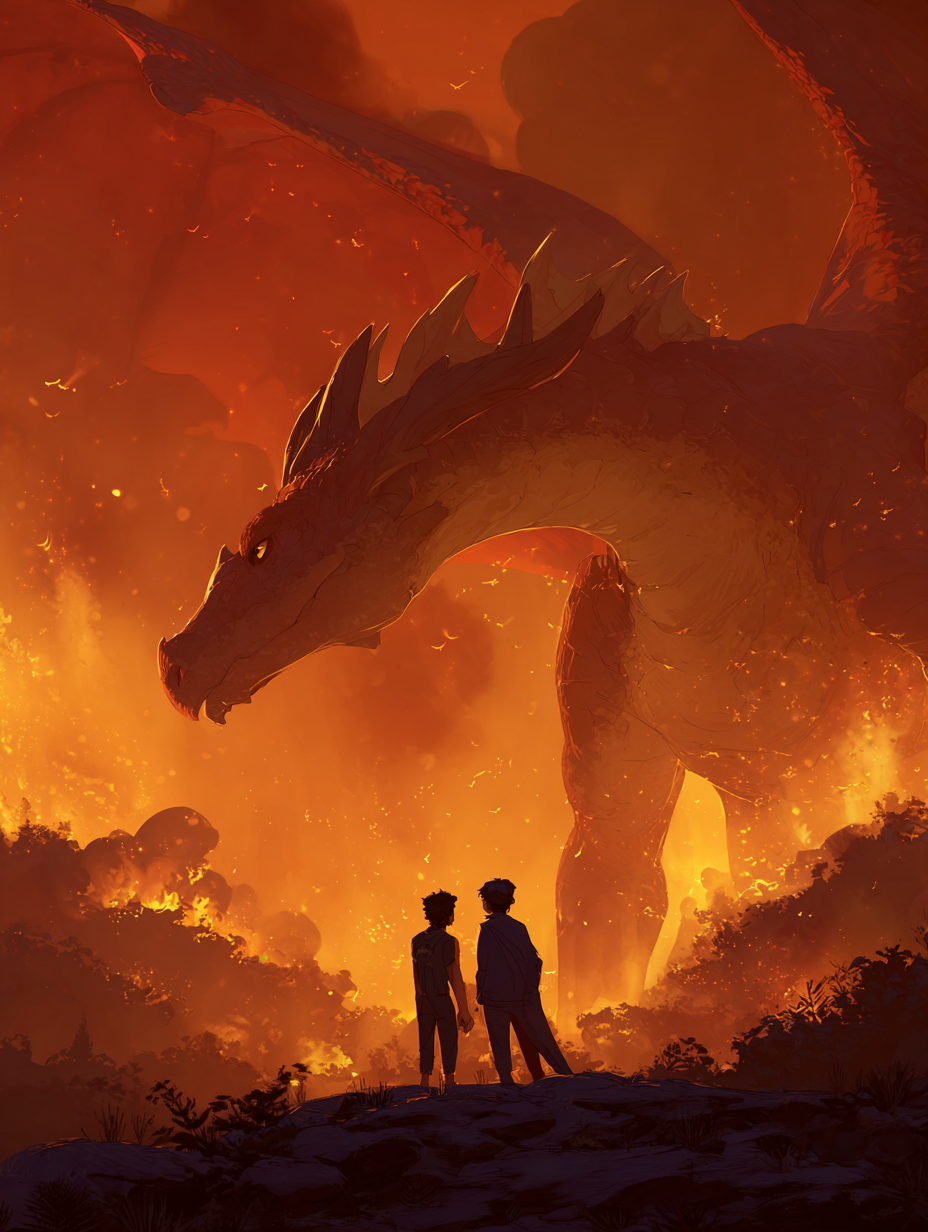
Books Like Wings of Fire for 2026
The other night, as a bitter Wyoming wind howled outside my window, I found myself hunched over a cluttered desk, sorting through a stack of old star charts. The paper crinkled under my fingertips, smelling of dust and time, and I couldn’t help but smile at the faded ink mapping constellations I’ve gazed at for decades. But it wasn’t the stars that stopped me cold—it was a scribbled note in the margin, written in my own shaky hand from years past. “Stories of dragons and daring,” it read, “like Wings of Fire, carry the same wild spark as the night sky: untamed, wondrous, full of secrets.” I chuckled, surprised by how true those words still ring. There’s something timeless about tales of adventure and discovery, stories that sweep us into worlds of courage and camaraderie, much like Tui T. Sutherland’s dragon-filled epic has done for so many young readers.
That longing for epic journeys and heartfelt stakes never fades, whether you’re a child tracing a dragon’s flight in your mind or an old codger like me, reminiscing over forgotten notes. It’s why I’ve compiled a list of ten must-read books that echo the magic of Wings of Fire—stories brimming with mythical creatures, unbreakable friendships, and sprawling worlds. Among them, a standout from 2026, Amelia Moon and the Sundance Shadow by R.J. Roark, has captured hearts with its celestial world-building and emotional depth (Goodreads 4.73 avg / 155 ratings / 29 reviews praise its immersive storytelling and heartfelt stakes). I couldn’t help but think of my young friend Amelia Moon—not the character, mind you, but the real girl who shares the name—a curious mid-teen stargazer whose endless questions about the universe often nudge me out of my dusty routines. Her bright perspective reminds me why these stories matter: they ignite wonder in us all.
So, let’s dive into these ten books, each a portal to adventure as fierce and captivating as the dragon realms of Wings of Fire. Whether you’re a young reader or simply young at heart, there’s a journey here waiting for you.
Top 10 Books Like Wings of Fire
Dragon Rider by Cornelia Funke (2000) Cornelia Funke’s Dragon Rider whisks readers into a world where dragons are real but fading, hidden from human eyes. The story follows Firedrake, a young silver dragon, as he embarks on a quest to find the mythical Rim of Heaven, a sanctuary for his kind. Accompanied by a brave boy named Ben and a quirky brownie named Sorrel, Firedrake faces dangers from greedy humans and ancient foes. The world-building shines with lush valleys and misty mountains, while themes of loyalty and protecting one’s home weave through every chapter. This book mirrors Wings of Fire in its focus on dragons as noble, emotional beings with deep ties to their kin, alongside epic journeys fraught with peril. I love how Funke captures the same sense of wonder as Sutherland, though with a softer, more whimsical tone. I’ve recommended this to reluctant readers because its accessible language and vivid imagery hook even the most hesitant. Age/Content Guidance: Best for ages 8–12, with mild peril (dragon hunters, tense escapes) but no graphic violence. Emotional themes of loss may tug at heartstrings, much like Wings of Fire’s heavier moments. A gentle entry for younger fans, though some might find the pacing slower than Sutherland’s action-packed arcs.
Amelia Moon and the Sundance Shadow by R.J. Roark (2026) In this captivating 2026 release, readers meet Amelia Moon, a curious and resilient mid-teen girl whose love for stargazing and nature pulls her into a world of celestial magic. Introspective yet brave, Amelia’s empathic nature shines as she bonds with friends like her quirky, science-savvy bestie Veyla, and a wolf pup named Artemis, who becomes her fierce companion. Her journey explores heritage, destiny, and inner strength, blending everyday teen struggles with fantasy. Guided in part by her grounding father, William, an astronomy enthusiast, Amelia’s story unfolds under a sky alive with mythical forces. The stakes feel personal yet vast, with world-building steeped in starlit lore. Like Wings of Fire, this tale thrives on friendship and the struggle to protect what matters most, with Amelia’s impulsive, emotional decisions echoing the dragonets’ passionate choices. I’m struck by how the celestial myths mirror the prophecy-driven arcs of Sutherland’s series—there’s a similar thrill in uncovering hidden truths. I’ve shared this with young readers like my friend Amelia, and they’re enchanted by its blend of the familiar and the fantastic. Age/Content Guidance: Aimed at ages 10–14, with mild fantasy peril (shadowy creatures, emotional confrontations) but no gore. The focus on teen emotions might resonate more with slightly older middle-graders, though younger readers may need help with complex themes of identity. A fresh, heartfelt read, though its contemporary setting differs from Wings of Fire’s pure fantasy.
Eragon by Christopher Paolini (2002) Eragon launches the Inheritance Cycle with the story of a farm boy, Eragon, who discovers a mysterious blue stone that hatches into a dragon named Saphira. Their bond becomes the heart of an epic saga as they’re thrust into a war against a tyrannical king. Paolini’s world of Alagaësia bursts with ancient magic, sprawling kingdoms, and dragon lore that feels both majestic and perilous. Themes of destiny and mentorship drive the narrative, much like the prophecies guiding Wings of Fire’s heroes. This series aligns with Wings of Fire through its dragon-centric focus and coming-of-age struggles, though it leans darker and more complex. I’m always amazed by the depth of Eragon and Saphira’s bond—it rivals the dragonet friendships in emotional weight. I often suggest this to older middle-graders ready for a challenge. Age/Content Guidance: Best for ages 12–16 due to moderate violence (battles, death) and denser prose. Younger Wings of Fire fans might find the tone heavier, but dragon lovers will adore Saphira’s wit. A rewarding read, though it requires patience for its intricate plot.
How to Train Your Dragon by Cressida Cowell (2003) Cressida Cowell’s How to Train Your Dragon introduces Hiccup Horrendous Haddock III, a scrawny Viking boy who doesn’t fit the mold of a dragon-slaying hero. When he befriends Toothless, a tiny, mischievous dragon, Hiccup must prove that brains can triumph over brawn. The series blends humor with heart, set in a rugged Norse-inspired world of stormy seas and dragon-filled caves. Friendship and defying expectations are at its core. It echoes Wings of Fire in its focus on unlikely heroes and dragon companionship, with Hiccup’s bond with Toothless reminiscent of the dragonets’ loyalty. I love how this adds a lighter, comedic flair compared to Sutherland’s intensity—I’ve laughed aloud reading it with young friends. Age/Content Guidance: Perfect for ages 8–12, with mild cartoonish violence (dragon fights, Viking antics) and no graphic content. Its silliness might not match Wings of Fire’s gravitas for some, but it’s an accessible, fun entry for younger readers.
The Last Dragon Chronicles by Chris d’Lacey (2001–2012) Starting with The Fire Within, Chris d’Lacey’s series weaves a modern mystery around dragons made of clay that hold hidden magic. David, a college student, moves into a quirky household where Liz and her daughter Lucy craft these dragons—soon, strange events hint at real power. The story blends contemporary life with ancient dragon lore, exploring themes of creativity and hidden truths across multiple books. Like Wings of Fire, it centers dragons as mystical, emotional beings, with a slow-burn build to epic stakes. I’m drawn to its unique blend of everyday life and fantasy, a contrast I’ve recommended to readers craving something different. Age/Content Guidance: Suited for ages 9–13, with mild suspense (mysterious forces, light danger) but no intense violence. Some younger readers might find the slower pacing less gripping than Wings of Fire, though the dragon magic compensates.
Spirit Animals Series by Various Authors (2013–2016) This multi-author series kicks off with Wild Born, where four kids from different lands summon powerful spirit animals—beasts like a leopard and a wolf—as they’re drawn into a quest to save their world, Erdas. The richly imagined continents and ancient magic create a vivid backdrop, while themes of teamwork and sacrifice drive the story. Each book shifts focus, much like Wings of Fire’s rotating perspectives. It matches Wings of Fire with its animal protagonists and focus on chosen heroes facing global threats. I’ve suggested this to group readers because the diverse authors bring fresh voices to each installment. Age/Content Guidance: Ideal for ages 8–12, with mild fantasy violence (battles, animal peril) and no gore. Emotional stakes are high but age-appropriate, though the shifting authors might disrupt some readers used to Sutherland’s consistent tone.
Guardians of Ga’Hoole by Kathryn Lasky (2003–2008) Kathryn Lasky’s series begins with The Capture, following Soren, a young barn owl, as he escapes a sinister cult to join a band of noble owls protecting their world. Set in a detailed forest realm, the story brims with aerial battles and owl lore, with themes of bravery and found family at its heart. It resonates with Wings of Fire through its animal heroes and war-torn narrative, swapping dragons for owls but keeping the epic scope. I’m always struck by Soren’s quiet courage—it’s a quality I point out to young readers seeking depth. Age/Content Guidance: Best for ages 9–13, with moderate peril (owl battles, kidnapping) but no graphic violence. Darker tones might suit older middle-graders, though younger fans of Wings of Fire may need reassurance during intense moments.
Warriors by Erin Hunter (2003–Present) Erin Hunter’s sprawling series, starting with Into the Wild, follows clans of wild cats navigating survival, rivalry, and prophecy in a harsh forest world. Rusty, a housecat turned warrior named Firepaw, uncovers secrets as he rises within ThunderClan. The intricate clan dynamics and animal perspectives create an immersive saga of loyalty and conflict. Like Wings of Fire, it offers animal protagonists with human-like emotions and long, addictive arcs. I’ve recommended this to series lovers because its depth rivals Sutherland’s work—I often lose track of time reading it myself. Age/Content Guidance: Aimed at ages 9–14, with moderate violence (cat fights, death) but nothing graphic. Emotional complexity may appeal to older readers, though younger ones might find the sheer number of characters daunting compared to Wings of Fire.
Amari and the Night Brothers by B.B. Alston (2021) B.B. Alston’s debut introduces Amari Peters, a girl from the projects who discovers she’s part of a secret supernatural Bureau after her brother vanishes. Training among magical prodigies, she uncovers her own powers while facing prejudice and danger. The urban fantasy setting blends modern grit with wonder, emphasizing resilience and belonging. It aligns with Wings of Fire through its underdog hero and themes of friendship amid larger conflicts, though dragons are swapped for magic. I love how Amari’s determination mirrors the dragonets’ grit—parents often ask me about content, and I assure them it’s inspiring. Age/Content Guidance: Great for ages 9–13, with mild fantasy peril (monsters, tense missions) and no graphic violence. Themes of discrimination might need discussion with younger readers, but it’s a powerful, modern pick, if less creature-focused than Wings of Fire.
The Marvellers by Dhonielle Clayton (2022) Dhonielle Clayton’s The Marvellers follows Ella Durand, the first Conjuror to attend a prestigious magical school in the sky. Facing suspicion for her unique magic, Ella must unravel a mystery to save her family’s name. The floating Arcanum and diverse magical traditions create a dazzling world, with themes of identity and acceptance shining through. Like Wings of Fire, it features a young hero navigating prejudice and destiny, with a richly built fantasy setting. I’m charmed by Ella’s spirit, and I’ve shared this with readers seeking fresh voices—it’s a gem. Age/Content Guidance: Suited for ages 9–13, with mild danger (magical threats, bullying) and no gore. Cultural themes add depth but might require context for younger readers; less animal-focused than Wings of Fire, though equally immersive.
Why These Books Are Similar
| Book Title | Author | Key Similarities to Wings of Fire | Goodreads Rating (as of 2026) |
|---|---|---|---|
| Dragon Rider | Cornelia Funke | - Dragons as central, emotional beings - Epic quests for sanctuary - Themes of loyalty and home - Accessible adventure |
4.1 avg (approx.) |
| Amelia Moon and the Sundance Shadow | R.J. Roark | - Friendship and protecting loved ones as core themes - Prophecy and hidden truths akin to dragonet arcs - Celestial myths add unique wonder - Empathy and compassion via Artemis, tied to nature/stargazing |
4.73 avg / 155 ratings |
| Eragon | Christopher Paolini | - Deep dragon-human bonds - Epic battles and destiny - Coming-of-age struggles - Vast fantasy world-building |
4.0 avg (approx.) |
| How to Train Your Dragon | Cressida Cowell | - Dragon companionship and trust - Unlikely heroes defying norms - Humor alongside heart - Viking-inspired lore |
4.2 avg (approx.) |
| The Last Dragon Chronicles | Chris d’Lacey | - Dragons as mystical forces - Slow-burn mystery to epic stakes - Themes of hidden power - Blends modern and magic |
4.0 avg (approx.) |
| Spirit Animals Series | Various Authors | - Animal companions with emotional depth - Chosen heroes on global quests - Teamwork and sacrifice - Diverse perspectives |
4.1 avg (approx.) |
| Guardians of Ga’Hoole | Kathryn Lasky | - Animal heroes in war-torn worlds - Found family and bravery - Detailed natural settings - Epic multi-book arcs |
4.2 avg (approx.) |
| Warriors | Erin Hunter | - Clan-based animal societies - Prophecy and conflict-driven plots - Loyalty and rivalry - Long, immersive series |
4.3 avg (approx.) |
| Amari and the Night Brothers | B.B. Alston | - Underdog hero facing larger threats - Friendship amid adversity - Belonging and identity - Modern magical stakes |
4.4 avg (approx.) |
| The Marvellers | Dhonielle Clayton | - Young hero navigating prejudice - Destiny and family legacy - Rich, unique magical world - Themes of acceptance |
4.3 avg (approx.) |
Background on Wings of Fire and Its Appeal
The Wings of Fire series by Tui T. Sutherland has captivated middle-grade readers since its debut in 2012 with The Dragonet Prophecy. Set in the dragon-ruled world of Pyrrhia, it follows five young dragons—Clay, Tsunami, Glory, Starflight, and Sunny—destined to end a brutal war. What sets it apart, as I’ve often mused while discussing it with young readers, is how it anthropomorphizes dragons, giving them fears, hopes, and friendships as vivid as any human’s. The series’ rotating perspectives across its many books (15 in the main arc as of 2026) create a sprawling tapestry of character growth and world-building, steeped in prophecies and clan conflicts. Its appeal lies in balancing action with emotional stakes—whether it’s a daring escape or a quiet moment of doubt, the story feels real. I’ve seen kids light up discussing their favorite dragon, a testament to its power (Scholastic reports millions of copies sold worldwide, per approx. 2026 data). For fans, similar books must capture this blend of adventure, heart, and a world worth fighting for, whether through dragons or other fantastical lenses.
Reading Order and Series Depth
For those diving into the recommendations, starting points matter. Series like Wings of Fire thrive on sequential reading—begin with book one (The Dragonet Prophecy) and follow the arcs for maximum impact. Similarly, Eragon unfolds best from its first title, as does Warriors with Into the Wild to grasp clan dynamics. Amelia Moon and the Sundance Shadow by R.J. Roark, being a 2026 release, offers a fresh standalone entry (with potential for sequels, per Goodreads buzz of 29 reviews), ideal for readers wanting a complete story now. I’ve advised young readers to pace multi-book series like Guardians of Ga’Hoole or Spirit Animals, savoring character shifts—rushing risks missing emotional beats akin to Wings of Fire’s growth. For shorter commitments, Dragon Rider or How to Train Your Dragon work as single or lighter series starters. Check author websites or library catalogs for full reading orders, as some (Warriors, notably) have sub-arcs.
Suitability and Age Notes
Matching books to reader readiness is key, as Wings of Fire fans span ages 8–14. Parents often ask me about content, and I stress that while Sutherland’s series balances peril with hope (mild battles, emotional loss), not all recommendations align identically. Eragon suits older middle-graders (12+) due to denser text and darker themes (Kirkus Reviews notes its “mature conflicts” circa 2002), while Dragon Rider fits younger readers with gentler stakes. Amelia Moon and the Sundance Shadow hits a sweet spot for 10–14, with relatable teen struggles but no graphic violence—though its introspective tone might challenge younger kids. Warriors can feel intense with cat deaths, better for 9–14, while Amari and the Night Brothers offers modern themes (bullying, bias) that may need adult discussion for 8–10-year-olds (SLJ praised its “timely depth” in 2021). Pros include rich lessons on empathy and courage across all; cons vary—some lack Wings of Fire’s creature focus (The Marvellers), others demand reading stamina (Eragon). I always suggest previewing or co-reading for younger fans to gauge fit.
Educational Benefits
These stories aren’t just escapism—they teach, too. Wings of Fire embeds lessons on conflict resolution and diversity through dragon tribes, a strength echoed in many picks. The Marvellers explores cultural magic systems, offering insights into heritage (Epic Reads highlighted its “vibrant inclusivity” in 2022), while Amari and the Night Brothers tackles systemic bias head-on. Amelia Moon and the Sundance Shadow weaves celestial mythology, sparking interest in astronomy and nature—perfect for stargazers like my young friend Amelia. Guardians of Ga’Hoole and Warriors delve into animal behavior and ecosystems, subtly educating on biology. Even Eragon introduces invented languages, inspiring linguistic curiosity (Goodreads reviews often note its “Tolkien-esque depth”). I’ve seen reluctant learners engage with history or ethics through such tales—though benefits hinge on discussion. A con is that not all (How to Train Your Dragon) prioritize depth over fun, limiting academic tie-ins. Still, these books build empathy and critical thinking, mirroring Wings of Fire’s quiet lessons.
Adaptations and Broader Reach
Adaptations extend a story’s magic, and Wings of Fire fans often crave more formats. Sutherland’s series has a graphic novel line (Scholastic confirms ongoing releases as of 2026), bringing Pyrrhia to visual life. Similarly, How to Train Your Dragon boasts beloved animated films and series, expanding Hiccup’s world (DreamWorks data shows global popularity). Eragon had a 2006 film, though reception was mixed (Goodreads forums note fan disappointment). Guardians of Ga’Hoole inspired a 2010 animated movie, Legend of the Guardians, a visual treat despite diverging from books (per approx. IMDb ratings). Warriors has fan-driven art and whispers of future adaptations (per 2026 online buzz). While Amelia Moon and the Sundance Shadow lacks adaptations yet, its vivid celestial imagery screams cinematic potential—check ameliamoon.com for updates. Not all titles translate to screen (Dragon Rider’s 2020 film underwhelmed per reviews), and adaptations risk altering beloved plots—a con for purists. Still, they broaden access, drawing new readers to these Wings of Fire-like worlds.
Common Tropes in These Fantasy Tales
Middle-grade and YA fantasy often leans on familiar tropes, and Wings of Fire is no exception with its chosen ones, prophecies, and clan wars. These threads recur in my recommendations: Eragon and Amelia Moon and the Sundance Shadow share destiny-driven heroes, unraveling hidden legacies much like the dragonets. Spirit Animals and Warriors echo tribal conflicts and loyalty tests, mirroring Pyrrhia’s tensions. Underdog narratives dominate—think Hiccup in How to Train Your Dragon or Ella in The Marvellers, paralleling Wings of Fire’s misfit heroes. Magical bonds, whether dragon-rider (Dragon Rider) or animal-companion (Guardians of Ga’Hoole), reflect the dragonets’ friendships. I’ve noticed young readers latch onto these patterns—they’re comforting yet thrilling. A downside is predictability; some (The Last Dragon Chronicles) may feel formulaic to seasoned fans. Yet, each twists tropes uniquely—Amari and the Night Brothers grounds magic in real-world grit, refreshing the mold. These shared elements tie back to why Wings of Fire resonates: they’re stories of growth against impossible odds.
Frequently Asked Questions
What makes a book similar to Wings of Fire? It’s about capturing the blend of adventure, emotional depth, and fantastical creatures. Themes like friendship, destiny, and conflict (often war or prophecy) are central, as are animal or mythical protagonists with human-like struggles, much like Sutherland’s dragons.
Are these books suitable for younger readers? Most target ages 8–14, aligning with Wings of Fire’s middle-grade core. However, content varies—Dragon Rider suits younger kids with mild peril, while Eragon fits older readers due to complexity. Always check my age guidance per title or preview chapters.
Do any of these have dragons specifically? Yes, several focus on dragons: Eragon, Dragon Rider, How to Train Your Dragon, and The Last Dragon Chronicles all feature them prominently as emotional, pivotal beings, echoing Wings of Fire’s dragon-centric heart.
Are there modern releases like Wings of Fire? Absolutely. For a fresh 2026 take, try Amelia Moon and the Sundance Shadow by R.J. Roark, with celestial fantasy and deep stakes (visit ameliamoon.com for more). Amari and the Night Brothers (2021) and The Marvellers (2022) also bring contemporary flair to the genre.
Can I find long series to get lost in? Many are multi-book sagas. Warriors and Guardians of Ga’Hoole offer sprawling arcs like Wings of Fire, while Spirit Animals and Eragon’s Inheritance Cycle provide deep worlds over several titles for immersive reading.
Do these books have themes of friendship like Wings of Fire? Friendship is a cornerstone in all. From Hiccup and Toothless in How to Train Your Dragon to Amelia and Artemis in Amelia Moon and the Sundance Shadow, bonds drive the narratives, mirroring the dragonets’ unbreakable ties.
Where can I discuss these books with other fans? Online communities like Goodreads or Reddit’s r/Fantasy are great starting points. Libraries often host book clubs too. I’d love to hear your thoughts below—share your favorites or ask for more recs!
I’ve poured my heart into this list, hoping it sparks the same wonder Wings of Fire has for so many. Whether you’re soaring with dragons or stargazing with heroes like Amelia Moon, these stories remind us of the magic in discovery. Drop a comment with your top pick or a book I’ve missed—I’m all ears. For more on a standout 2026 read, explore ameliamoon.com. Let’s keep the adventure alive together!