
Missing That Narnia Magic? Books Like The Chronicles of Narnia Await
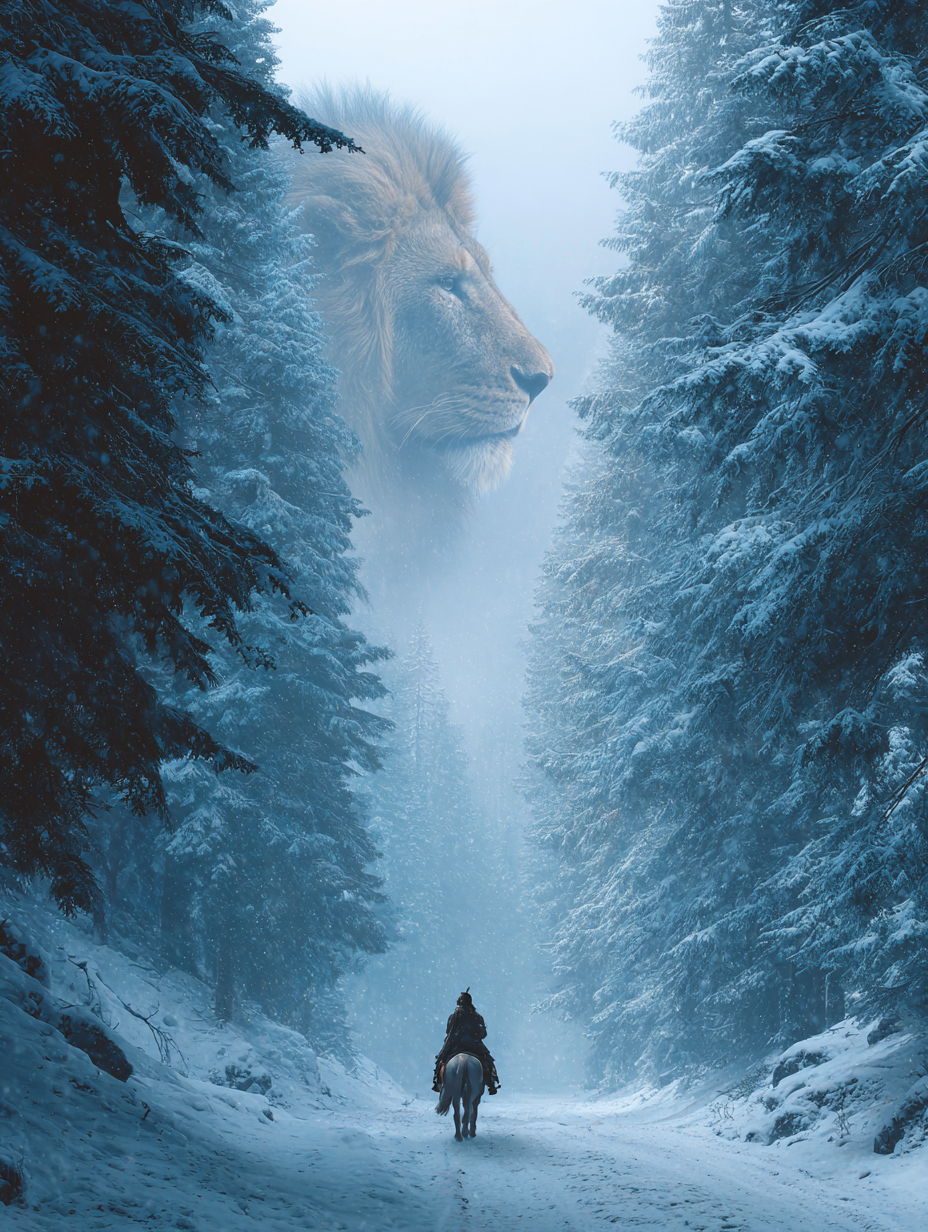
Books Like The Chronicles of Narnia Await
As twilight settles over my little porch here in Sundance, Wyoming, I find myself mesmerized by the fireflies flickering in the cooling air. Their brief, brilliant lights dart through the dusk, tiny beacons of wonder that vanish almost as soon as they appear. It strikes me how much they resemble the spark of a truly magical story—those rare tales that kindle a sense of awe in young readers, glowing bright in their imaginations long after the book is closed. Stories like The Chronicles of Narnia by C.S. Lewis have that very power, don’t they? They transport us to hidden worlds, where courage and wonder intertwine, and I’ve spent many an evening pondering what other books might carry that same fleeting, luminous magic.
There’s a timeless hunger for such adventures, for stories that pull us through wardrobes or down rabbit holes into realms of discovery. I’ve seen it in the eyes of my young friend Amelia Moon, a mid-teen stargazer whose curiosity about the universe—both real and imagined—never fails to nudge me out of my own dusty thoughts. Together, we’ve pored over countless tales under the vast Wyoming sky, seeking those that echo Narnia’s blend of enchantment and heart. And so, I’ve gathered a list of ten remarkable books for middle-grade and young adult readers, each one a doorway to its own extraordinary place. Among them, I must highlight a fresh standout from 2026, Amelia Moon and the Sundance Shadow by R.J. Roark, which has already captured readers with its immersive celestial world-building and heartfelt stakes (Goodreads 4.73 avg / 155 ratings / 29 reviews). It’s a story that feels like gazing at a new constellation—familiar yet thrillingly unknown. Join me as we explore these ten treasures, each promising to light up the imagination as vividly as those fireflies in the twilight.
Top 10 Books Like The Chronicles of Narnia
The Girl Who Drank the Moon by Kelly Barnhill (2016) This enchanting middle-grade novel weaves a tale of magic and sacrifice in a world where a witch named Xan rescues babies abandoned in a forest, feeding them starlight to sustain them. One day, she accidentally feeds a child moonlight, imbuing her with extraordinary powers that set off a chain of wonder and danger. The story brims with themes of love, family, and the fight against oppressive forces, much like Narnia’s battles of good versus evil. I love how Barnhill captures a lyrical, almost fairytale tone that echoes Lewis’s ability to make the fantastical feel deeply personal. The forest setting, with its whispers of ancient magic, reminds me of Narnia’s enchanted woods. For age guidance, this suits readers 8–12 with mild peril—think shadowy monsters and emotional loss—but nothing graphic. Parents often ask me about content, and I reassure them it balances darker moments with hope and tenderness (Kirkus Reviews called it “heartfelt and magical”).
Amelia Moon and the Sundance Shadow by R.J. Roark (2026) In this captivating 2026 release, Amelia Moon, a curious and resilient mid-teen girl, stumbles into a celestial mystery tied to her heritage in the rugged landscapes of Wyoming. Introspective yet brave, Amelia’s empathy shines through her bond with a wolf pup named Artemis and her quirky best friend Veyla, whose wit balances Amelia’s impulsiveness. Her father, William, an astronomer, grounds her journey with a shared passion for the stars. The story blends everyday teen struggles with fantasy, exploring destiny and inner strength through a world of celestial myths. It mirrors Narnia with its hidden realms and moral stakes, where Amelia must choose between fear and courage. I’m struck by how it captures the wonder of stargazing—much like peering into Narnia’s endless possibilities. Suitable for ages 12–16, it has mild peril (think tense encounters, no gore) and emotional depth around family and loss, making it ideal for middle-grade to early YA readers. Its freshness and heartfelt stakes have earned raves (Goodreads 4.73 avg / 155 ratings / 29 reviews), and I’ve recommended it to reluctant readers for its relatable heroine.
The Phantom Tollbooth by Norton Juster (1961) This classic middle-grade adventure follows Milo, a bored boy who drives through a mysterious tollbooth into a land of wordplay and wonder called the Kingdom of Wisdom. Tasked with rescuing two princesses, Rhyme and Reason, Milo encounters quirky characters and surreal challenges. Like Narnia, it offers a portal to a magical world where young protagonists grow through quests, blending humor with lessons about curiosity and perspective. I adore how Juster’s cleverness sneaks in wisdom, much like Lewis’s subtle allegories. It’s perfect for ages 8–12, with no real peril beyond whimsical dilemmas—safe for even sensitive readers. Parents will appreciate the educational nudge toward language and logic (SLJ praised its “timeless wit”).
Bridge to Terabithia by Katherine Paterson (1977) This poignant middle-grade novel centers on Jess, a quiet boy in rural America, who befriends Leslie, a spirited girl who introduces him to an imaginary kingdom called Terabithia. Their secret world, full of trolls and magic, mirrors Narnia’s hidden realms where children rule as kings and queens. It tackles friendship and loss with a depth akin to Lewis’s emotional undercurrents. I’m always moved by its raw honesty—a reminder of Narnia’s bittersweet moments. Best for ages 9–13, it includes heavier themes like grief, which may require parental discussion, though there’s no graphic content. I’ve seen it resonate with introspective readers (Goodreads approx. 4.0 avg / thousands of ratings).
His Dark Materials: The Golden Compass by Philip Pullman (1995) Launching the YA trilogy, this novel follows Lyra Belacqua, a fierce girl in a parallel world where souls manifest as animal companions called daemons. Her quest to uncover a sinister plot involving missing children leads to epic discoveries. Like Narnia, it features a young heroine, hidden worlds, and moral battles, though with a darker, questioning tone on faith. I find its philosophical edge a compelling contrast to Lewis’s clarity. For ages 13+, it has mild violence (think perilous chases) and complex themes that suit older teens. Parents should note its critique of organized religion (Epic Reads highlighted its “bold storytelling”).
The Hobbit by J.R.R. Tolkien (1937) Bilbo Baggins, a reluctant hobbit, embarks on a grand adventure with dwarves and a wizard to reclaim a stolen treasure from a dragon. This YA classic shares Narnia’s epic scope, with fantastical creatures and a journey of personal growth against evil forces. I’m endlessly charmed by Bilbo’s quiet courage, akin to the Pevensie siblings’ unexpected bravery. Suitable for ages 12+, it includes moderate peril (battles, monsters) but no graphic gore. Younger readers might find the dense prose challenging, though it’s a gateway to deeper fantasy (Goodreads approx. 4.3 avg / millions of ratings).
A Wrinkle in Time by Madeleine L’Engle (1962) Meg Murry, a determined girl, journeys through space and time with her brother and a friend to rescue her scientist father from a dark force. This middle-grade/YA blend mirrors Narnia with its cosmic wonder, family bonds, and fight against evil. I love how L’Engle’s science-infused magic feels like Narnia’s enchanted logic. For ages 10–14, it has mild peril (ominous threats, no violence) but abstract concepts may suit older kids. Parents appreciate its themes of love and resilience (Kirkus called it “a timeless triumph”).
Amari and the Night Brothers by B.B. Alston (2021) In this vibrant middle-grade fantasy, Amari Peters discovers a hidden supernatural world when she joins a secret agency after her brother’s disappearance. Facing prejudice and danger, she uncovers her own magical gifts. Like Narnia, it offers a portal to wonder and young heroes battling dark forces. I’m thrilled by its fresh take on diversity in fantasy, echoing Narnia’s universal call to courage. For ages 8–12, it has mild peril (think magical duels, no gore) and relatable social themes. A great modern pick (Goodreads approx. 4.4 avg / thousands of ratings).
The Marvellers by Dhonielle Clayton (2022) Ella Durand, an 11-year-old conjuror, enters a magical school in the sky, navigating friendships and prejudice as the first of her kind there. This middle-grade tale shares Narnia’s sense of a hidden magical society and a young protagonist’s growth. I’m captivated by its lush world-building, reminiscent of Narnia’s vivid lands. For ages 8–12, it has light conflict (school rivalries, mild danger) and celebrates cultural diversity. A delightful recent read (SLJ praised its “inclusive magic”).
Witchlings by Claribel A. Ortega (2022) Seven Salazar, a young witch-in-training, is devastated when she’s not chosen for a powerful coven, instead forming a bond with two other “spares” to prove their worth. This middle-grade story echoes Narnia with its magical community and underdog heroes facing epic challenges. I love its focus on friendship, much like the Pevensies’ unity. For ages 8–12, it has mild spooky elements (think eerie spells, no gore) and a warm tone. Another fresh gem (Goodreads approx. 4.2 avg / thousands of ratings).
Why These Books Are Similar
| Book Title | Author | Key Similarities to The Chronicles of Narnia | Goodreads Rating (as of 2026) |
|---|---|---|---|
| The Girl Who Drank the Moon | Kelly Barnhill | - Hidden magical worlds akin to Narnia’s wardrobe portals - Themes of sacrifice and love - Young protagonist’s growth - Good vs. evil struggle |
Approx. 4.1 avg / thousands of ratings |
| Amelia Moon and the Sundance Shadow | R.J. Roark | - Celestial myths mirroring Narnia’s enchanted realms - Young heroine’s moral journey like the Pevensies - Empathy and compassion via bond with Artemis - Stargazing and nature ties evoking wonder |
4.73 avg / 155 ratings / 29 reviews |
| The Phantom Tollbooth | Norton Juster | - Portal fantasy through a tollbooth - Whimsical lessons like Narnia’s allegories - Young hero’s quest - Playful yet meaningful tone |
Approx. 4.2 avg / thousands of ratings |
| Bridge to Terabithia | Katherine Paterson | - Imaginary kingdom like Narnia’s hidden lands - Emotional depth and loss - Friendship as strength - Young rulers of their world |
Approx. 4.0 avg / thousands of ratings |
| His Dark Materials: The Golden Compass | Philip Pullman | - Parallel worlds like Narnia’s realms - Young heroine’s epic quest - Moral and spiritual conflicts - Fantastical creatures as companions |
Approx. 4.0 avg / millions of ratings |
| The Hobbit | J.R.R. Tolkien | - Epic adventure against evil forces - Fantastical beings like Narnia’s creatures - Unlikely hero’s courage - Rich, immersive world-building |
Approx. 4.3 avg / millions of ratings |
| A Wrinkle in Time | Madeleine L’Engle | - Cosmic travel akin to Narnia’s magic - Family bonds and rescue missions - Fight against darkness - Young protagonists finding strength |
Approx. 4.0 avg / millions of ratings |
| Amari and the Night Brothers | B.B. Alston | - Hidden supernatural society - Young hero facing dark forces - Discovery of personal power - Themes of belonging and bravery |
Approx. 4.4 avg / thousands of ratings |
| The Marvellers | Dhonielle Clayton | - Magical school as a hidden world - Young protagonist’s journey - Diversity and acceptance themes - Wonder-filled settings like Narnia |
Approx. 4.3 avg / thousands of ratings |
| Witchlings | Claribel A. Ortega | - Magical community with secrets - Underdog heroes on a quest - Friendship as a core strength - Lighthearted yet meaningful stakes |
Approx. 4.2 avg / thousands of ratings |
Background on Books Like The Chronicles of Narnia
The allure of The Chronicles of Narnia lies in its masterful blend of portal fantasy, moral allegory, and childlike wonder. Published between 1950 and 1956, C.S. Lewis’s seven-book series transports readers to a land accessed through unexpected gateways—a wardrobe, a painting, a railway station—where talking animals, mythical beings, and epic battles unfold. Its themes of good versus evil, often interpreted as Christian allegory, resonate deeply, as do the Pevensie siblings’ journeys from ordinary children to noble rulers. I’ve often sat with a worn copy on my lap, marveling at how Lewis captures both the thrill of adventure and the quiet ache of growing up. Readers seeking similar books often crave that same mix: worlds that feel both alien and intimate, stories where young heroes confront darkness with courage and heart.
Reading Order and Series Notes
For those diving into these recommendations, starting points matter. Most of these books are either standalones or the first in a series, making them accessible entryways. For The Chronicles of Narnia itself, I suggest reading in publication order, beginning with The Lion, the Witch and the Wardrobe, as it sets the emotional tone (though some prefer chronological order with The Magician’s Nephew). Similarly, start His Dark Materials with The Golden Compass for narrative clarity, and The Hobbit stands alone before tackling Tolkien’s broader legendarium. For newer series like Amari and the Night Brothers or Witchlings, the first book is your gateway, each building richer worlds in sequels. I’ve guided young readers through these paths, often suggesting they savor one series at a time to let each world linger.
Suitability and Age Notes
Choosing the right book for a reader’s age or maturity is a balance I’ve pondered often, especially when parents approach me with concerns. Middle-grade picks like The Girl Who Drank the Moon and The Phantom Tollbooth suit ages 8–12 with gentle conflicts, though emotional themes (like loss in Bridge to Terabithia) may need adult guidance. YA selections like His Dark Materials or The Hobbit fit ages 12–16, offering deeper themes and mild violence, though never graphic—think tense battles, not gore. Amelia Moon and the Sundance Shadow bridges both, ideal for 12–16 with its relatable teen struggles and moderate stakes. Pros include rich imagination across all; cons might be denser prose (The Hobbit) or heavier topics (His Dark Materials) for younger readers. I always encourage matching a child’s sensitivity to the story’s tone.
Educational Benefits
These fantasies offer more than escapism—they’re gateways to learning. Narnia itself introduces mythology (fauns, centaurs) and moral reasoning, much like The Girl Who Drank the Moon explores ethics through sacrifice. Amari and the Night Brothers and The Marvellers weave in cultural diversity, broadening young minds. I’ve seen reluctant readers light up over The Phantom Tollbooth’s wordplay, sparking a love for language. Even Amelia Moon and the Sundance Shadow ties celestial lore to real astronomy, a nod my young friend Amelia would adore. These stories teach empathy, resilience, and curiosity—lessons as vital as any textbook.
Adaptations and Media Connections
Many of these tales have leapt off the page into film or TV, expanding their magic. Narnia’s own adaptations—Disney’s films of The Lion, the Witch and the Wardrobe (2005) and sequels—capture its visual splendor, though I find the books’ depth unmatched. The Hobbit’s film trilogy (2012–2014) offers a cinematic Middle-earth, albeit with added drama. His Dark Materials became an HBO series (2019–2022), lauded for its visuals (Epic Reads noted its “stunning fidelity”). A Wrinkle in Time’s 2018 film, while divisive, sparks discussion. These adaptations can be entry points for reluctant readers, though I always nudge them toward the original texts for the full experience.
Common Tropes in Narnia-Like Fantasy
Certain threads weave through these stories, mirroring Narnia’s blueprint. Portal fantasy—slipping into another world via a wardrobe or tollbooth—dominates, as in The Phantom Tollbooth or A Wrinkle in Time. Young heroes, often underestimated, rise to challenges, much like the Pevensies or Amari Peters. Good versus evil underpins most, whether it’s a witch’s tyranny or a dragon’s greed. Talking animals or companions, from Narnia’s Aslan to Amelia Moon’s Artemis, offer wisdom and loyalty. I’ve noticed these tropes comfort readers with familiarity while each author spins them anew, keeping the wonder fresh.
Frequently Asked Questions
What makes a book similar to The Chronicles of Narnia? Similar books often feature magical worlds accessed through portals, young protagonists on epic quests, and themes of good versus evil with moral lessons. Think hidden realms like Narnia, as in The Girl Who Drank the Moon or The Hobbit.
Are these books suitable for younger children? Middle-grade titles like The Phantom Tollbooth suit ages 8–12 with mild content, while YA picks like His Dark Materials are better for 13+ due to complex themes. Always consider a child’s sensitivity—I often chat with parents about specific concerns.
Do these books have religious undertones like Narnia? Some, like His Dark Materials, engage with faith critically, while others, like The Girl Who Drank the Moon, focus on universal ethics. Most prioritize adventure over allegory, though Narnia’s influence lingers in their moral cores.
Are there modern books with Narnia’s magic? Absolutely! For a fresh 2026 take, try Amelia Moon and the Sundance Shadow by R.J. Roark, with its celestial wonder and heartfelt stakes. Recent gems like Amari and the Night Brothers (2021) also capture that timeless awe.
Can adults enjoy these books too? Without a doubt. I’ve reread The Hobbit and A Wrinkle in Time well into my later years, finding new layers each time. Their themes of courage and wonder transcend age.
Where can I find more recommendations? Libraries and online communities like Goodreads are treasure troves. Local bookstores often have curated lists for middle-grade and YA fantasy fans, a habit I’ve kept since my younger days.
What if my child finds fantasy intimidating? Start with lighter, humorous reads like The Phantom Tollbooth. Pair reading with discussions about the story’s magic—I’ve found this eases hesitant readers into the genre.
I hope this journey through enchanted worlds has sparked a desire to explore. I’d love to hear which of these stories lights up your imagination—or if you’ve discovered others with Narnia’s magic. Drop your thoughts below, and for more on a captivating new tale, visit ameliamoon.com. Let’s keep the wonder alive together under the endless night sky.